Best for Bluetooth support
Glorious Model I 2 Wireless
4.8 feature score
Highest scored product for this feature based on supporting review evidence.
Highest scored product for this feature based on supporting review evidence.
Balances feature score, supporting reviews, and overall product strength.
Has the broadest review evidence for this feature.
Strongest overall product among items with scored evidence for this feature.
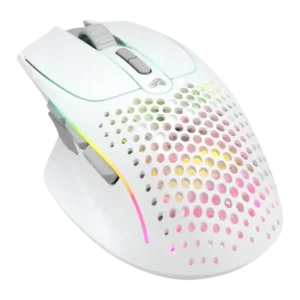
Bluetooth support was appreciated for extra device flexibility, though reviewers still favored 2.4 GHz for gaming.
Pros: skate durability, cross-platform compatibility
Cons: handedness options, click noise
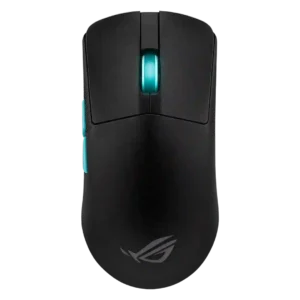
Bluetooth was valued as a convenient secondary mode for non-competitive use and multi-device flexibility, even when 2.4GHz remained preferred for gaming.
Pros: button responsiveness, cable flexibility
Cons: firmware reliability, MMO gaming suitability

Bluetooth support was praised for stable productivity use and broader multi-device convenience, though competitive use favored 2.4GHz.
Pros: acceleration control, wireless latency
Cons: onboard memory, MMO gaming suitability

Bluetooth support was valued for work and everyday use, especially switching between devices, though one reviewer called it merely serviceable.
Pros: 2.4GHz connectivity, surface compatibility
Cons: click noise, software stability

Bluetooth support was widely appreciated for dual-device use, easy pairing, travel, and work-and-gaming flexibility.
Pros: click latency, onboard memory
Cons: lift-off distance, debounce customization
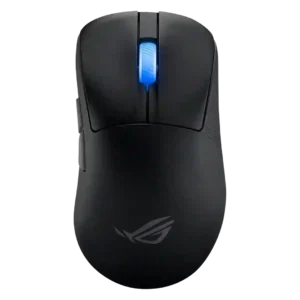
Bluetooth was viewed as a useful convenience for work, travel, and multi-device use, not as the preferred competitive mode.
Pros: connection stability, weight
Cons: handedness options, software usability
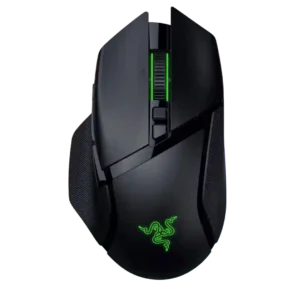
Bluetooth was valued for work, travel, and multi-device flexibility, though not always ideal for esports latency.
Pros: lift-off distance, motion consistency
Cons: cross-platform compatibility, handedness options
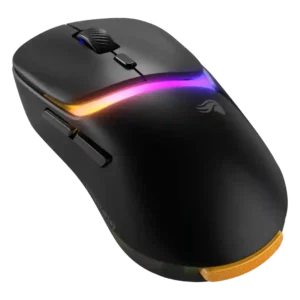
Bluetooth support was positively supported by one reviewer using Bluetooth on Mac for work.
Pros: glide smoothness, sensor performance
Cons: grip texture, firmware reliability
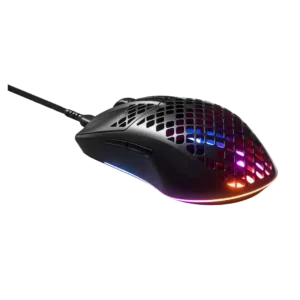
Bluetooth support contributed positively to avoiding cable dependence in the wireless model.
Pros: click latency, acceleration control
Cons: palm grip comfort, onboard memory
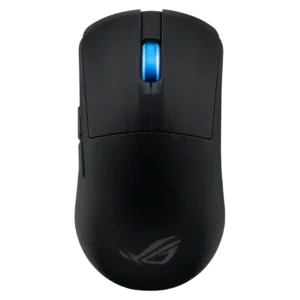
Bluetooth support was positively received for easy pairing, useful productivity support, and painless mode switching.
Pros: cable flexibility, weight
Cons: software stability, handedness options
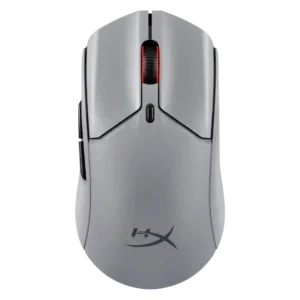
Bluetooth support was valued as versatile and reliable for casual, laptop, or work use.
Pros: motion consistency, wireless latency
Cons: palm grip comfort, software stability
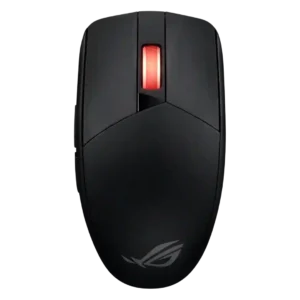
Bluetooth support is positive for everyday flexibility and long battery life, though one reviewer notes lower Bluetooth polling compared with 2.4GHz.
Pros: motion consistency, Accuracy and tracking precision
Cons: cable flexibility, palm grip comfort
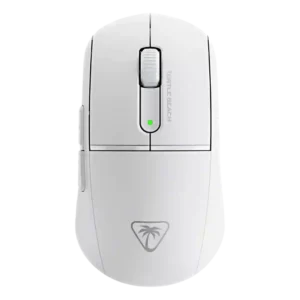
Bluetooth support was appreciated for flexibility, portability, and device switching, though it was not always preferred for peak gaming.
Pros: weight, balance and weight distribution
Cons: water and dust resistance, RGB features
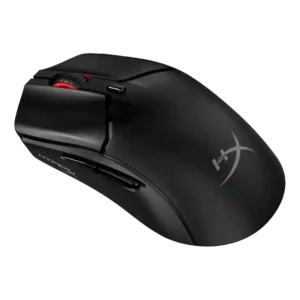
Bluetooth support was widely valued for portability and multi-device use, with generally reliable behavior.
Pros: cable flexibility, connection stability
Cons: motion consistency, software stability
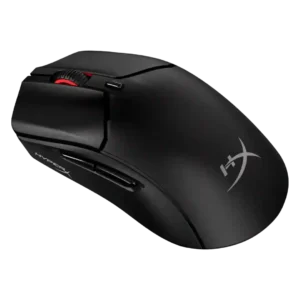
Bluetooth support was valued as convenient and versatile, particularly for multi-device or console-adjacent setups, though it was not the preferred performance mode.
Pros: long-session comfort, balance and weight distribution
Cons: software stability, firmware reliability
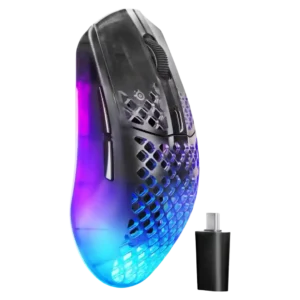
Bluetooth support was valued for versatility and travel, but reviewers noted advanced performance settings are limited outside 2.4GHz or wired mode.
Pros: click latency, motion consistency
Cons: palm grip comfort, fingertip grip comfort
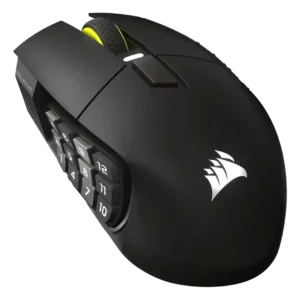
Bluetooth was viewed as a useful productivity or secondary mode rather than the preferred gaming connection, and reviewers reported it worked well.
Pros: click latency, macro support
Cons: firmware reliability, tilt gesture controls
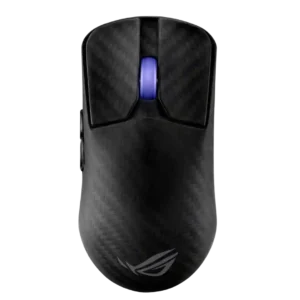
Bluetooth was treated as a useful convenience and notable inclusion on such a lightweight esports-focused mouse.
Pros: Accuracy and tracking precision, sensor performance
Cons: software stability, value for money
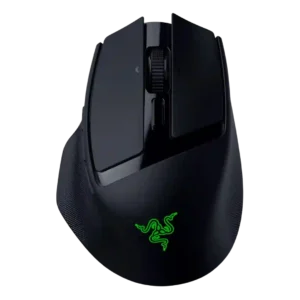
Bluetooth support expanded device compatibility, but the lack of easy multi-device memory hurt one reviewer’s mobile workflow.
Pros: ecosystem integration, sensor performance
Cons: AI Prompt Master, durability over time
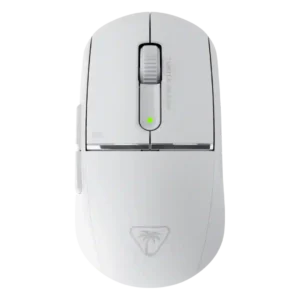
Bluetooth support was considered useful and convenient, especially for device switching or alternate connection modes.
Pros: wireless latency, surface compatibility
Cons: RGB features, firmware reliability
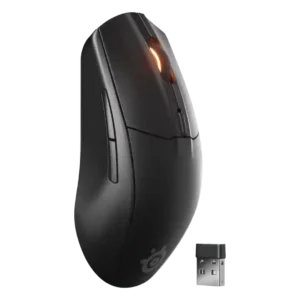
Bluetooth was widely valued for device switching, travel, and battery savings, but one reviewer had pairing problems and others treated it as less suitable for serious gaming.
Pros: build quality, ergonomic design
Cons: handedness options, RGB features
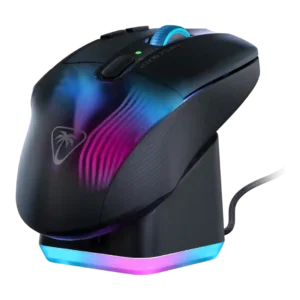
Bluetooth support was generally valued for flexibility and secondary-device use, although one review called it suboptimal for gaming.
Pros: click latency, motion consistency
Cons: firmware reliability, weight tuning

Bluetooth support was valued for work, tablets, laptops, and longer runtime, with a gaming-latency caveat.
Pros: software stability, click latency
Cons: MMO gaming suitability, palm grip comfort
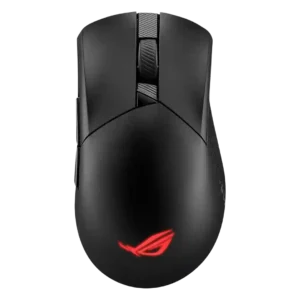
Bluetooth support was useful for battery life and multi-device use, but lower polling or lighter-use caveats appeared.
Pros: motion consistency, surface compatibility
Cons: handedness options, software stability
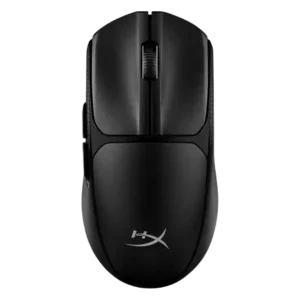
Bluetooth support was valued for versatility and device switching, though one reviewer warned its latency is noticeable in fast games.
Pros: wireless latency, Accuracy and tracking precision
Cons: side button quality, materials quality
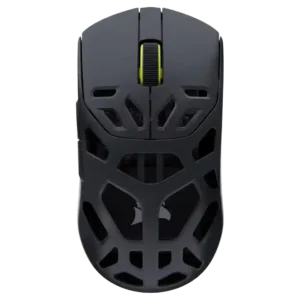
Bluetooth was viewed as a useful quality-of-life addition for non-gaming or multi-device use, though one reviewer noted 2.4GHz remains better for latency-sensitive play.
Pros: Accuracy and tracking precision, click latency
Cons: cable flexibility, ecosystem integration
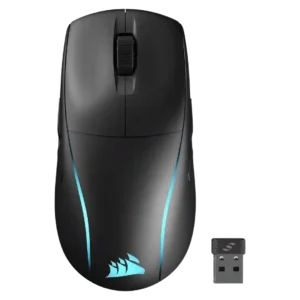
Bluetooth support was useful for battery life and device switching, but it was also described as slower than 2.4GHz.
Pros: handedness options, Accuracy and tracking precision
Cons: tilt gesture controls, software stability
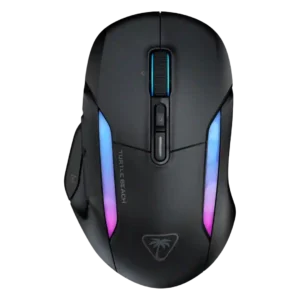
Bluetooth support was useful for versatility and long battery life, but reviewers warned it is not the best mode for competitive performance.
Pros: left and right click quality, software stability
Cons: polling rate, cross-platform compatibility

Bluetooth support was useful for fallback, travel, and cross-device use, but at least one reviewer found Bluetooth responsiveness laggy.
Pros: Accuracy and tracking precision, surface compatibility
Cons: firmware reliability, palm grip comfort
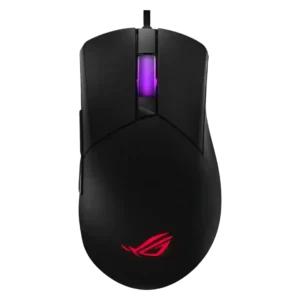
Bluetooth support was scored from a review that praised the breadth of the connectivity options including Bluetooth.
Pros: onboard memory, software stability
Cons: handedness options
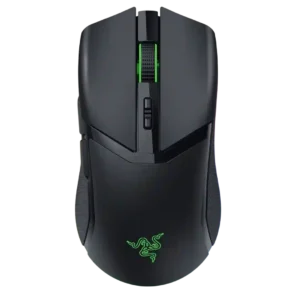
Bluetooth support was valued for travel, laptops, and productivity, but multiple reviewers warned it adds latency for serious gaming.
Pros: motion consistency, sensor performance
Cons: software stability, MMO gaming suitability

Bluetooth was useful and often flawless, but a few reviewers hit setup confusion or lower polling-rate limitations compared with the dongle.
Pros: 2.4GHz connectivity, connection stability
Cons: cable flexibility, handedness options
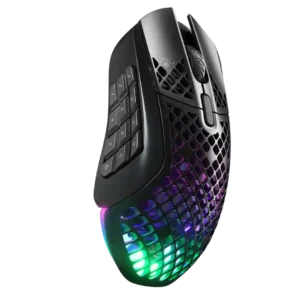
Bluetooth support was useful for travel and secondary devices, but reviewers also noted latency and configuration limitations.
Pros: motion consistency, surface compatibility
Cons: onboard memory, handedness options
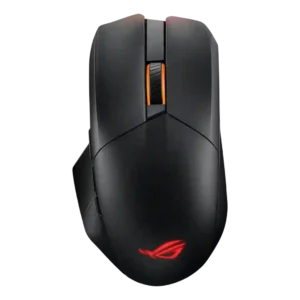
Bluetooth was useful for productivity and multiple devices but not treated as a serious gaming mode.
Pros: premium feel, Accuracy and tracking precision
Cons: software stability, FPS gaming suitability
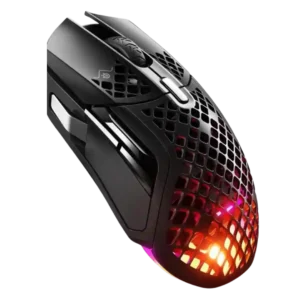
Bluetooth was valued for versatility and secondary-device use, but several reviewers warned it is less suitable for serious gaming than 2.4GHz.
Pros: motion consistency, connection stability
Cons: weight tuning, fingertip grip comfort
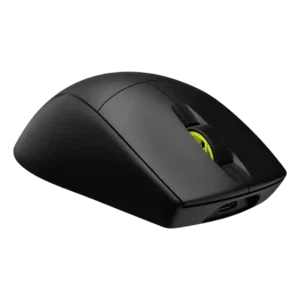
Bluetooth support is mixed: reviewers appreciate the option for productivity and multi-device use, but some dislike Bluetooth latency or mode switching.
Pros: click latency, fingertip grip comfort
Cons: firmware reliability, skate durability
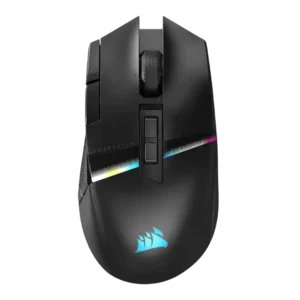
Bluetooth support is useful for travel, secondary devices, and pairing flexibility, but reviewers warn it is too high-latency for gaming.
Pros: long-session comfort, sensor performance
Cons: handedness options, software stability
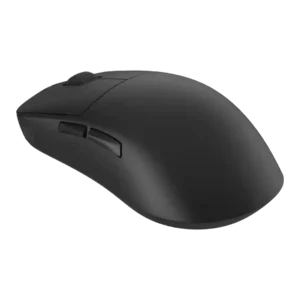
Bluetooth evidence is split: one reviewer missed it as an option, while another praised Bluetooth 5.1 for convenience and broader device compatibility.
Pros: durability over time, sensor performance
Cons: MMO gaming suitability, surface compatibility
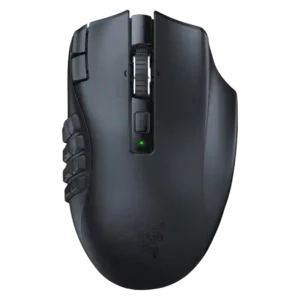
Bluetooth support was useful for flexibility and battery life, but reviewers warned that it is laggier than 2.4GHz for gaming.
Pros: Accuracy and tracking precision, sensor performance
Cons: handedness options, fingertip grip comfort

Bluetooth support was present but received a setup complaint from one reviewer.
Pros: battery life, programmable buttons
Cons: software stability, firmware reliability
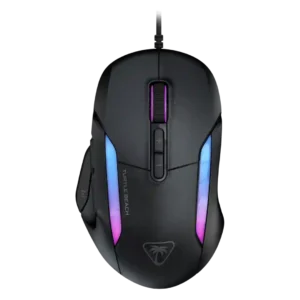
Bluetooth support was seen as a useful power-efficient option, but with the caveat that performance is lower than 2.4GHz.
Pros: click latency, motion consistency
Cons: handedness options, portability
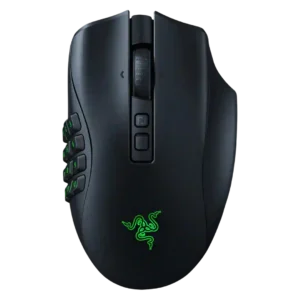
Bluetooth was viewed as useful for battery life or fallback use, but several reviewers warned it felt slower or worse than 2.4GHz for gaming.
Pros: sensor performance, click latency
Cons: software stability, Bluetooth support
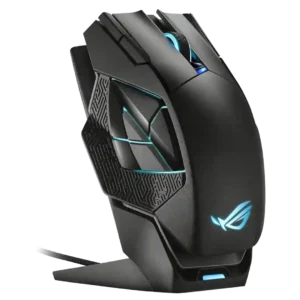
Bluetooth was a limitation rather than a strength; reviewers wanted it for flexibility, especially on the go or for premium expectations.
Pros: motion consistency, 2.4GHz connectivity
Cons: fingertip grip comfort, cross-platform compatibility

Bluetooth support was weak because reviewers noted its absence, though at least one said it was unlikely to be a dealbreaker.
Pros: motion consistency, wireless latency
Cons: handedness options, onboard memory
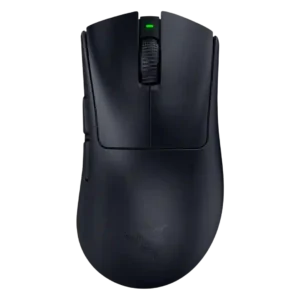
Bluetooth support was a recurring limitation; some reviewers did not mind, but others called the omission disappointing for versatility.
Pros: Accuracy and tracking precision, sensor performance
Cons: onboard memory, handedness options
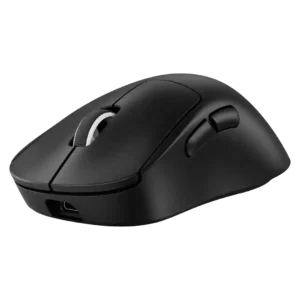
Bluetooth support was a weakness because it is absent, though some reviewers accepted the tradeoff for weight and responsiveness.
Pros: motion consistency, acceleration control
Cons: cable flexibility, cross-platform compatibility

Bluetooth support was a limitation where discussed; reviewers noted the mouse relies on its receiver and wished Bluetooth were included.
Pros: polling rate, motion consistency
Cons: MOBA gaming suitability, durability over time
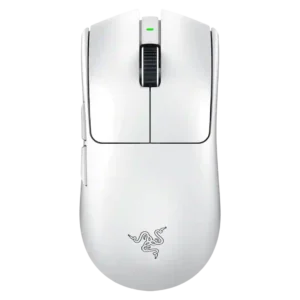
Bluetooth support was a clear limitation; reviewers repeatedly noted its absence reduces versatility outside dedicated esports setups.
Pros: click latency, balance and weight distribution
Cons: 2.4GHz connectivity, software stability
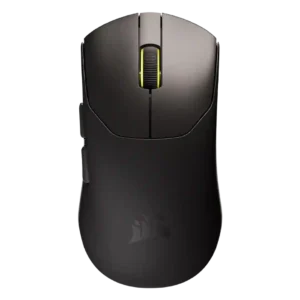
Bluetooth support was a repeated drawback; reviewers often understood the weight-saving reason but still found the lack inconvenient for travel or multi-device use.
Pros: connection stability, weight
Cons: click latency, cable flexibility
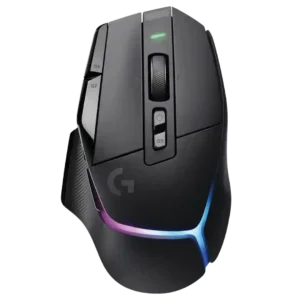
Bluetooth support was a repeated weakness because reviewers noted the mouse lacks Bluetooth and is less versatile for multi-device use.
Pros: Accuracy and tracking precision, motion consistency
Cons: handedness options, lift-off distance