Best for sensor performance
Razer DeathAdder V4 Pro
5.0 feature score
Highest scored product for this feature based on supporting review evidence.
Highest scored product for this feature based on supporting review evidence.
Balances feature score, supporting reviews, and overall product strength.
Has the broadest review evidence for this feature.
Strongest overall product among items with scored evidence for this feature.
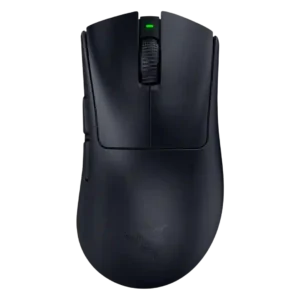
The Focus Pro 45K sensor drew very strong praise for smoothness, precision, and faultless tracking, though several reviewers noted its headline DPI is overkill.
Pros: Accuracy and tracking precision, sensor performance
Cons: onboard memory, handedness options
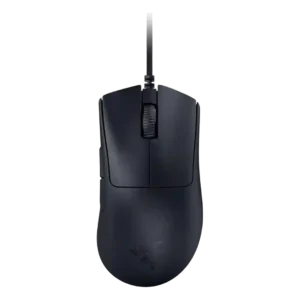
Sensor performance was a major strength, with reviewers repeatedly calling the Focus Pro 30K implementation accurate, responsive, stable, or flawless.
Pros: Accuracy and tracking precision, sensor performance
Cons: handedness options, tilt gesture controls
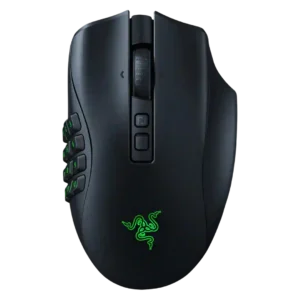
Sensor performance was consistently praised, with the Focus Pro sensor described as excellent, accurate, and responsive.
Pros: sensor performance, click latency
Cons: software stability, Bluetooth support
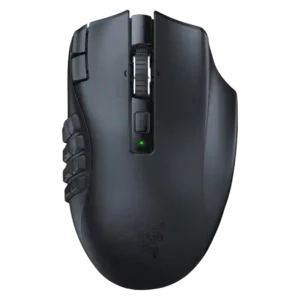
The sensor was described as flawless in the strongest test review, with the Focus Pro 30K treated as a standout performance point.
Pros: Accuracy and tracking precision, sensor performance
Cons: handedness options, fingertip grip comfort
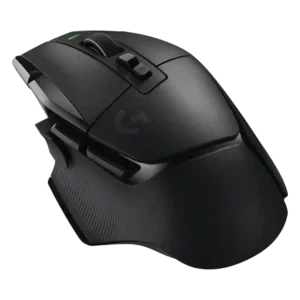
Sensor performance was a consistent strength, with reviewers citing strong Logitech sensors, no jitter or acceleration, 1:1 tracking, and efficient Hero 25K behavior.
Pros: click latency, motion consistency
Cons: software stability, cross-platform compatibility
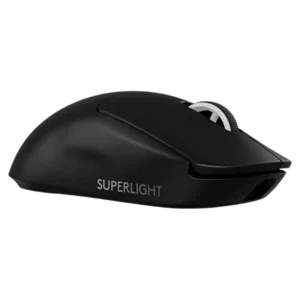
The HERO 2 sensor was widely praised as crisp, precise, fast, and close to flawless, though some reviewers framed the higher specs as incremental.
Pros: macro support, fingertip grip comfort
Cons: weight tuning, cable flexibility
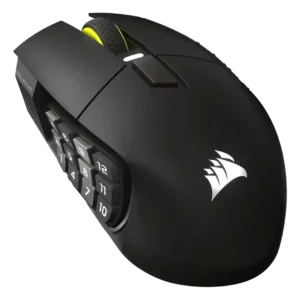
Sensor performance was broadly praised as precise, responsive, and strong, even when reviewers noted the mouse is not designed primarily for FPS play.
Pros: click latency, macro support
Cons: firmware reliability, tilt gesture controls
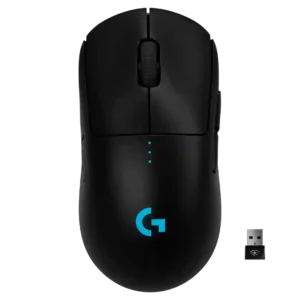
Sensor performance was one of the clearest strengths, repeatedly described as flawless, high tier, accurate, and responsive.
Pros: polling rate, motion consistency
Cons: MOBA gaming suitability, durability over time
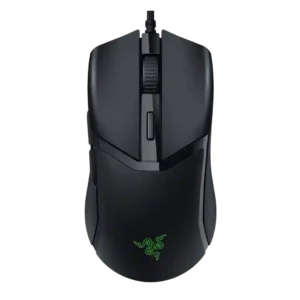
Sensor performance was strongly positive overall, with reviewers praising responsiveness, stability, calibration, and real-world tracking.
Pros: Accuracy and tracking precision, motion consistency
Cons: click noise, onboard memory
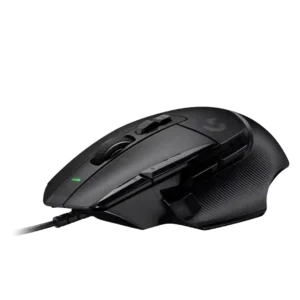
The Hero 25K sensor was repeatedly judged high-end, top-level, or even perfect, though one reviewer noted comparable sensors are now common.
Pros: Accuracy and tracking precision, click latency
Cons: claw grip comfort, portability
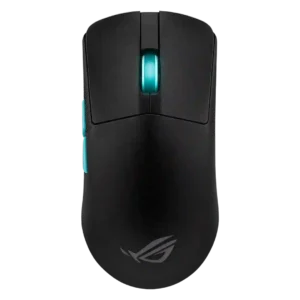
Sensor performance was a standout strength, with reviewers repeatedly describing it as fast, accurate, responsive, or top-notch.
Pros: button responsiveness, cable flexibility
Cons: firmware reliability, MMO gaming suitability
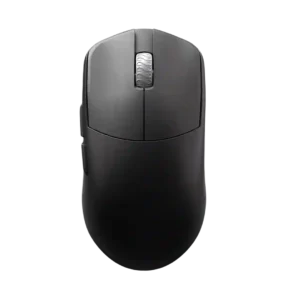
Sensor performance is described as stellar or perfectly well-working, with reviewers treating the PAW3950 implementation as a standout strength.
Pros: DPI range, balance and weight distribution
Cons: charging convenience, click noise
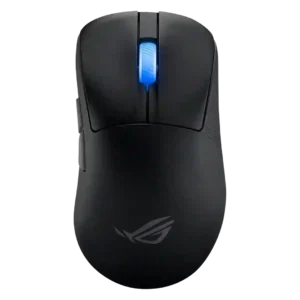
Sensor performance was one of the best-reviewed areas, repeatedly described as accurate, top-tier, or flawless.
Pros: connection stability, weight
Cons: handedness options, software usability
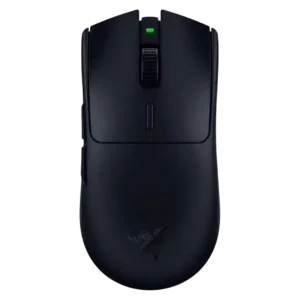
The Focus Pro 30K sensor was one of the strongest consensus positives, described as accurate, reliable, snappy, and premium-grade.
Pros: motion consistency, wireless latency
Cons: handedness options, onboard memory
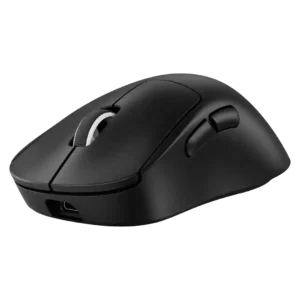
The Hero 2 sensor was repeatedly described as top-tier, flawless, or working perfectly, with only isolated uncertainty around real-world need for the highest specs.
Pros: motion consistency, acceleration control
Cons: cable flexibility, cross-platform compatibility
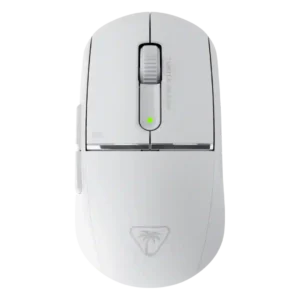
Sensor performance was a major strength, with praise for smooth, stable, accurate tracking and only minor caveats in one review at low battery.
Pros: wireless latency, surface compatibility
Cons: RGB features, firmware reliability
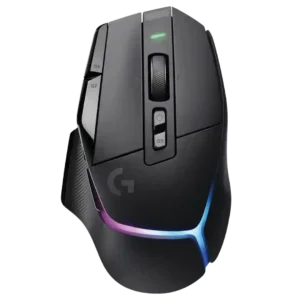
Sensor feedback was strongly positive; reviewers described the HERO sensor as snappy, smooth, precise, and still among the best they had used.
Pros: Accuracy and tracking precision, motion consistency
Cons: handedness options, lift-off distance
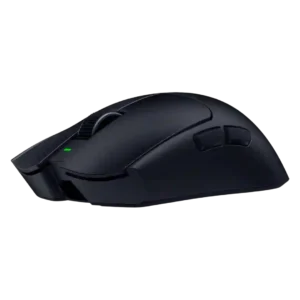
The Focus Pro sensor was widely praised as elite, fast, and reliable, though some reviewers felt modern top sensors already feel close in practice.
Pros: balance and weight distribution, build quality
Cons: dock compatibility, Bluetooth support
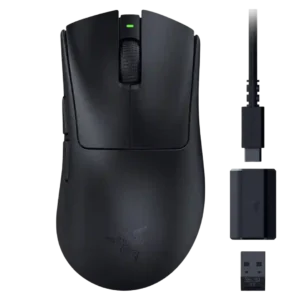
Sensor performance was a major strength, with the Focus X 26K repeatedly described as flawless, fast, precise, or essentially indistinguishable in real play.
Pros: click latency, motion consistency
Cons: handedness options, Bluetooth support
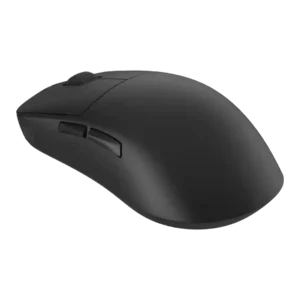
Sensor performance is mostly strong, with praise for accuracy, potency, and in-game feel, though one negative review found some related settings unimpressive.
Pros: durability over time, sensor performance
Cons: MMO gaming suitability, surface compatibility
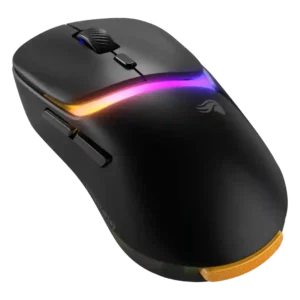
Sensor performance was praised for precision, speed, and dependable tracking in practical gaming use.
Pros: glide smoothness, sensor performance
Cons: grip texture, firmware reliability
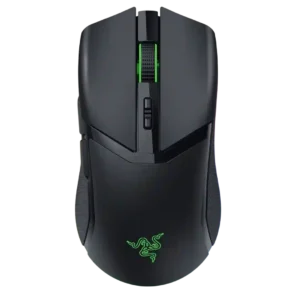
The Focus Pro sensor was a major strength, repeatedly described as smooth, accurate, and top-tier, with only skeptical reviewers focusing more on the mouse’s design than sensor output.
Pros: motion consistency, sensor performance
Cons: software stability, MMO gaming suitability
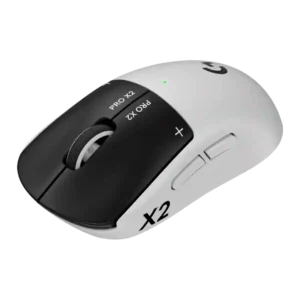
Sensor performance is a consistent strength, with the HERO 2 sensor described as great, flawless, responsive, and reliable.
Pros: left and right click quality, dock compatibility
Cons: Bluetooth support, cross-platform compatibility
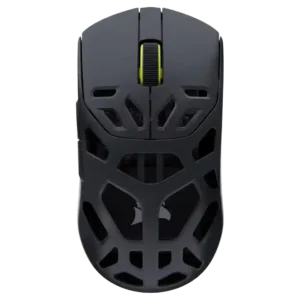
Sensor performance was one of the strongest areas, described as excellent, flawless, responsive, and competitive with top options.
Pros: Accuracy and tracking precision, click latency
Cons: cable flexibility, ecosystem integration
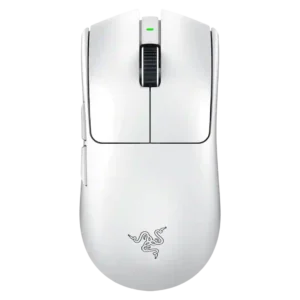
The Focus Pro sensor was consistently praised as accurate, smooth, and high-end, with several reviewers calling it among the best or flawless in use.
Pros: click latency, balance and weight distribution
Cons: 2.4GHz connectivity, software stability
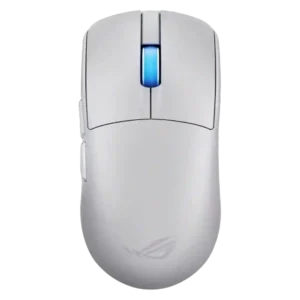
Sensor feedback was highly positive overall, with reviewers reporting precise or flawless tracking and only mild caveats that extreme DPI is mostly beyond normal use.
Pros: acceleration control, wireless latency
Cons: onboard memory, MMO gaming suitability
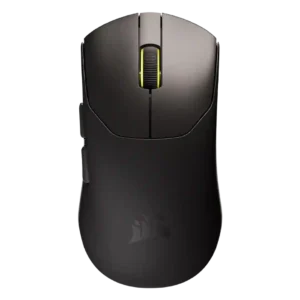
Sensor performance was one of the strongest areas: most reviewers reported flawless, consistent, or top-tier tracking, while one technical review rated it good overall.
Pros: connection stability, weight
Cons: click latency, cable flexibility
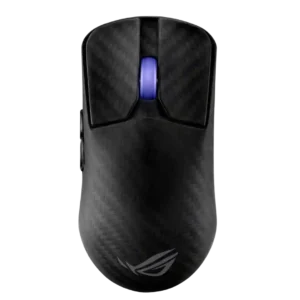
Sensor performance was consistently strong, with reviewers calling it top-tier, flawless, responsive, and worry-free.
Pros: Accuracy and tracking precision, sensor performance
Cons: software stability, value for money
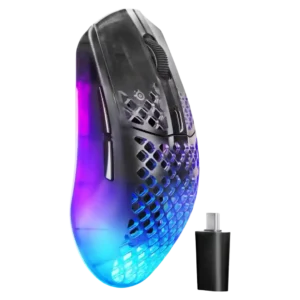
Sensor feedback was strongly positive: reviewers described the TrueMove 26K as precise, snappy, reliable, and consistently strong in games.
Pros: click latency, motion consistency
Cons: palm grip comfort, fingertip grip comfort
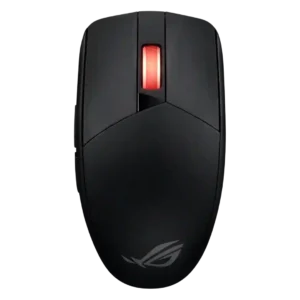
The sensor receives broad praise as excellent, capable, and exceptionally accurate, with only glass surfaces called out as a weakness in one review.
Pros: motion consistency, Accuracy and tracking precision
Cons: cable flexibility, palm grip comfort
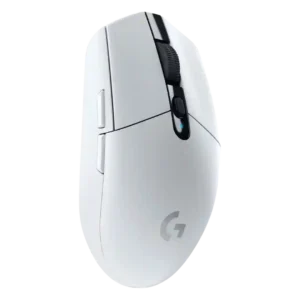
Sensor performance was one of the strongest areas, with repeated praise for the HERO sensor’s precision, smoothness, and gaming readiness.
Pros: motion consistency, wireless latency
Cons: Bluetooth support, acceleration control
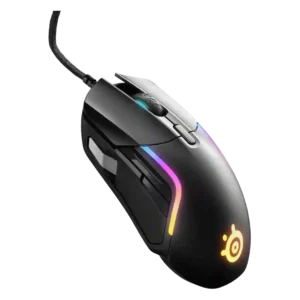
The TrueMove Air sensor was one of the most consistently praised parts, described as strong, accurate, responsive, and problem-free across reviews.
Pros: switch durability, surface compatibility
Cons: weight tuning, portability
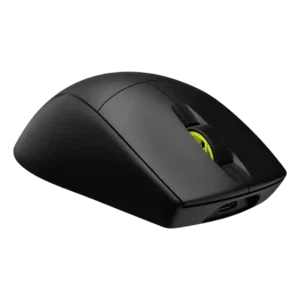
Sensor performance is consistently praised for fast, precise, responsive movement, with only minor dissent tied to the broader mouse implementation rather than the sensor itself.
Pros: click latency, fingertip grip comfort
Cons: firmware reliability, skate durability
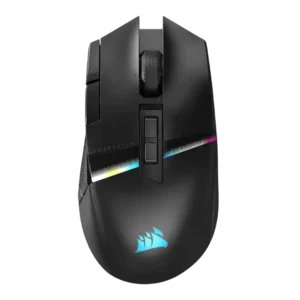
The Marksman sensor is one of the strongest points: reviews call it impressive, accurate, spot-on, and competitive with top-tier gaming mouse sensors.
Pros: long-session comfort, sensor performance
Cons: handedness options, software stability
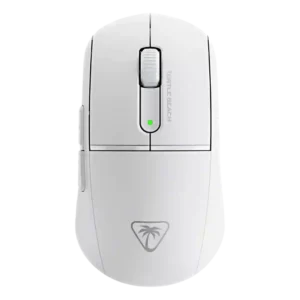
Sensor impressions were strongly positive: reviewers praised the Owl-Eye sensor for clean tracking, swift movement handling, and flawless general performance.
Pros: weight, balance and weight distribution
Cons: water and dust resistance, RGB features
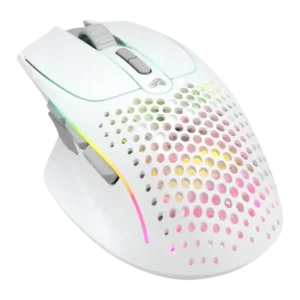
Sensor sentiment was strongly positive, with reviewers calling the BAMF sensor high-performing, spot-on, and free of tracking-speed problems.
Pros: skate durability, cross-platform compatibility
Cons: handedness options, click noise
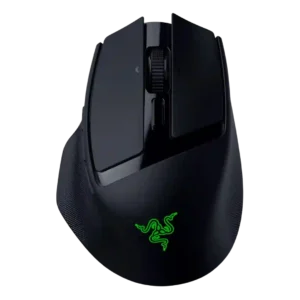
The 18K optical sensor was praised for precise, reliable performance without jitter in the reviewed testing contexts.
Pros: ecosystem integration, sensor performance
Cons: AI Prompt Master, durability over time
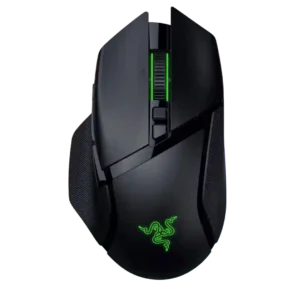
Sensor performance was one of the highest-scoring areas, with reviewers praising accuracy, flawless tracking, and high-end specs.
Pros: lift-off distance, motion consistency
Cons: cross-platform compatibility, handedness options
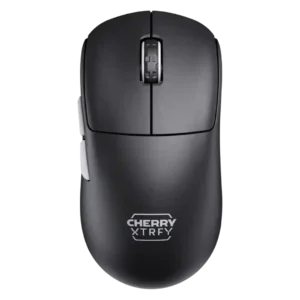
The Pixart sensor drew broad praise for responsive, accurate tracking, with several reviewers calling it wonderful, snappy, or beautiful in use.
Pros: 2.4GHz connectivity, long-session comfort
Cons: programmable buttons, button customization
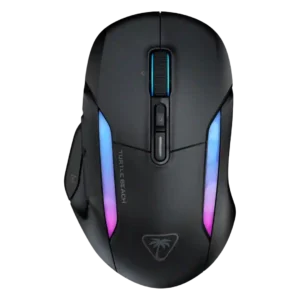
The Owl-Eye sensor was usually praised as excellent, upgraded, and top-tier for most use, though comments focused more on comfort than esports-grade speed.
Pros: left and right click quality, software stability
Cons: polling rate, cross-platform compatibility
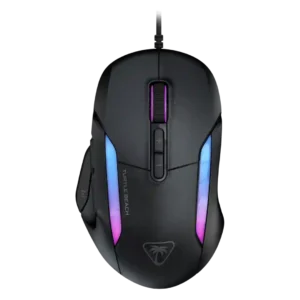
Sensor performance was widely praised as top-tier, responsive, and dependable, though one reviewer reported a slight tracking quirk.
Pros: click latency, motion consistency
Cons: handedness options, portability
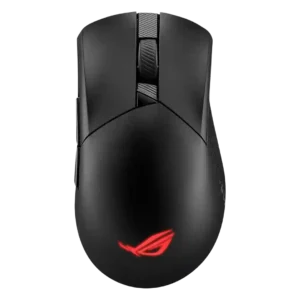
Sensor performance was a standout strength, especially for the AimPoint sensor, which reviewers described as capable, problem-free, and among the best.
Pros: motion consistency, surface compatibility
Cons: handedness options, software stability
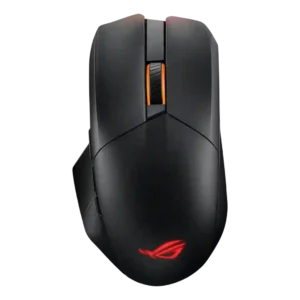
The AimPoint sensor was consistently described as fast, precise, and gaming-capable.
Pros: premium feel, Accuracy and tracking precision
Cons: software stability, FPS gaming suitability
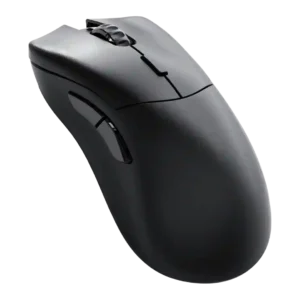
Sensor performance was strongly praised for smooth, consistent updates and problem-free tracking across games and surfaces.
Pros: click latency, switch durability
Cons: Bluetooth support, handedness options
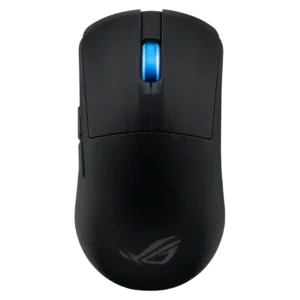
Sensor feedback was strongly positive overall, with reviewers calling it potent, precise, reliable, stellar, rock-solid, or one of the best.
Pros: cable flexibility, weight
Cons: software stability, handedness options
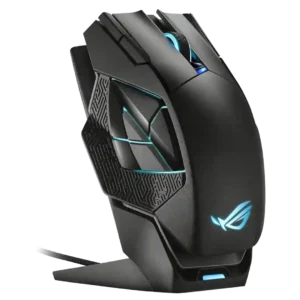
Sensor performance was strong overall, with excellent tracking, accurate response, and reliable/stable sensor impressions.
Pros: motion consistency, 2.4GHz connectivity
Cons: fingertip grip comfort, cross-platform compatibility
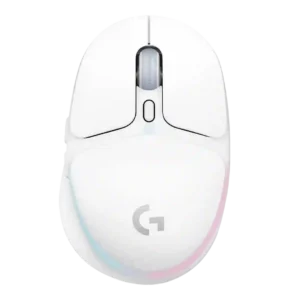
Sensor performance was generally strong in practical gaming, with accurate tracking and good implementation despite the non-flagship sensor.
Pros: 2.4GHz connectivity, connection stability
Cons: cable flexibility, handedness options
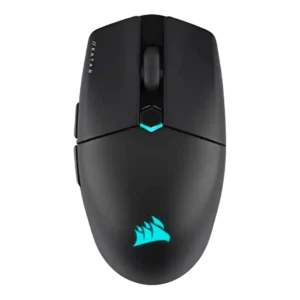
The Marksman sensor drew broad praise for flawless, responsive tracking, though one reviewer found very high DPI less ideal and another wanted better creative-work control.
Pros: software stability, click latency
Cons: MMO gaming suitability, palm grip comfort
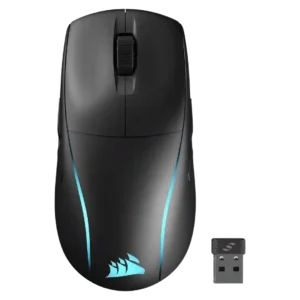
The Marksman sensor was broadly described as reliable, responsive, and precise, with only isolated surface-related reservations.
Pros: handedness options, Accuracy and tracking precision
Cons: tilt gesture controls, software stability
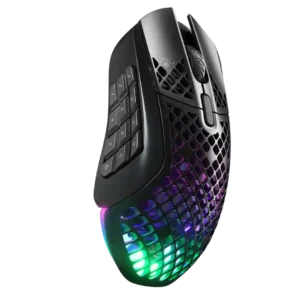
Sensor performance was widely praised as fast and reliable, though one review noted the CPI ceiling is not class-leading.
Pros: motion consistency, surface compatibility
Cons: onboard memory, handedness options