#1
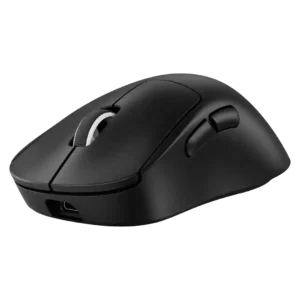
Best for FPS
Direct testing references no acceleration, smoothing, or filtering, and reviewers describe consistent movement in shooters. This supports strong acceleration control for competitive play.
Pros: motion consistency, acceleration control
Cons: Bluetooth support, RGB features
#2
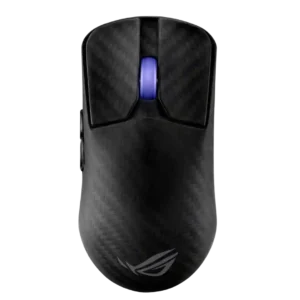
Best for FPS
Sensor acceleration handling is documented through repeated 50G acceleration specifications. The reviews support strong acceleration capability, though they do not describe a separate user-facing acceleration tuning feature.
Pros: Accuracy and tracking precision, click latency
Cons: value for money, software stability
#3
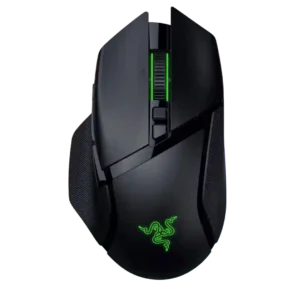
Best for FPS
Acceleration control evidence is positive, with reviewers noting high acceleration limits and no acceleration or malfunction issues.
Pros: programmable buttons, Bluetooth support
Cons: handedness options, firmware reliability
#4
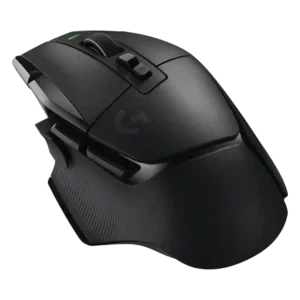
Best for FPS
Sensor movement is repeatedly described as free of acceleration, smoothing, filtering, or jitter.
Pros: acceleration control, long-session comfort
Cons: Bluetooth support, weight tuning
#5
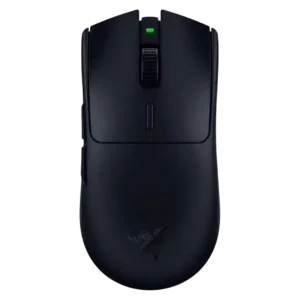
Best battery life
Acceleration evidence is spec-based but strong where mentioned, with reviewers citing 70G acceleration alongside the Focus Pro 30K sensor.
Pros: acceleration control, wireless latency
Cons: debounce customization, RGB features
#6
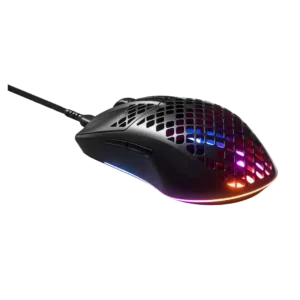
Best comfort
Two reviews cite zero or no hardware acceleration, supporting strong acceleration-control evidence for predictable pointer behavior.
Pros: click latency, switch durability
Cons: onboard memory, palm grip comfort
#7
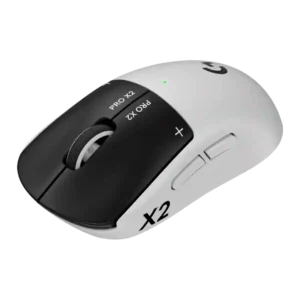
Best for FPS
The sensor specification is repeatedly tied to 88G acceleration and, in one review, zero smoothing, acceleration, or filtering. Reviewers frame this as part of the pro-grade tracking package rather than...
Pros: DPI range, wireless latency
Cons: RGB features, Bluetooth support
#8
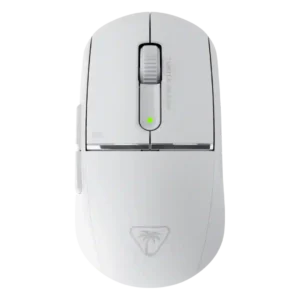
Best for FPS
Acceleration and motion control were supported through 70g acceleration specs, angle tuning, motion sync, and controlled starts and stops.
Pros: polling rate, click latency
Cons: RGB features, handedness options
#9
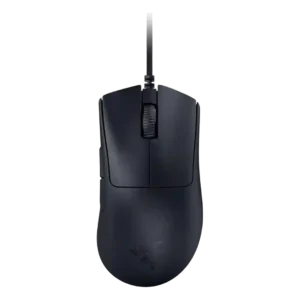
Best for FPS
Strong consensus
Acceleration specs were strong, with reviewers citing high max acceleration and treating it as part of the mouse's competitive performance package.
Pros: battery life, charging convenience
Cons: weight tuning, handedness options
#10
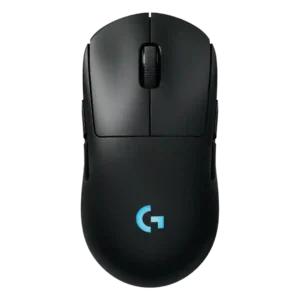
Best battery life
Reviewers consistently describe very high acceleration specifications and no smoothing or acceleration behavior, though one review frames those specs as more than most players need.
Pros: handedness options, DPI range
Cons: Bluetooth support, MMO gaming suitability
#11
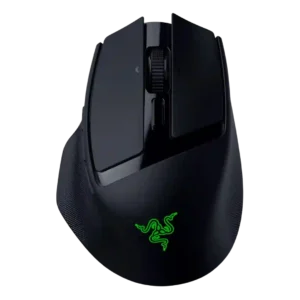
Best battery life
One in-depth review explicitly reports no unwanted acceleration, backing a strong score here.
Pros: switch durability, wireless performance
Cons: click noise, RGB features
#12
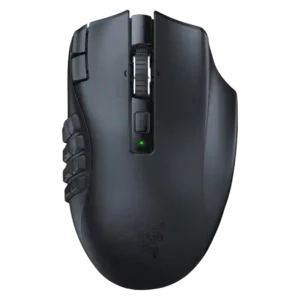
Best for FPS
Acceleration evidence is limited to one sensor-spec discussion citing 70g acceleration tolerance rather than user-adjustable acceleration controls.
Pros: Accuracy and tracking precision, DPI range
Cons: handedness options, fingertip grip comfort
#13
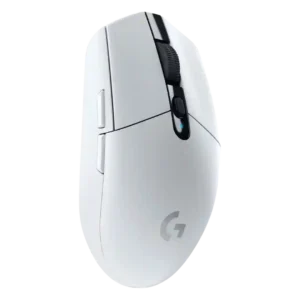
Best for FPS
The HERO sensor is repeatedly credited with zero smoothing or acceleration behavior and strong high-speed tracking.
Pros: wireless latency, motion consistency
Cons: Bluetooth support, charging convenience
#14
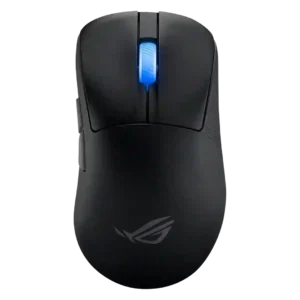
Best for FPS
The sensor's 50g acceleration rating is repeatedly cited as part of its top-tier performance spec, with no practical complaints about acceleration handling.
Pros: DPI range, weight
Cons: debounce customization, handedness options
#15
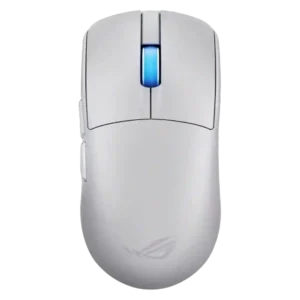
Best for FPS
Acceleration-related evidence is positive but limited: reviewers cite a 50G sensor rating, no odd acceleration in testing, and tuning options such as angle snapping or motion sync.
Pros: polling rate, weight
Cons: onboard memory, tilt gesture controls
#16
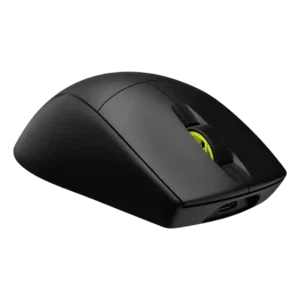
Best for FPS
The mouse is repeatedly credited with 50G acceleration handling and fast motion control, supporting rapid competitive flicks rather than deep acceleration customization.
Pros: click latency, wireless latency
Cons: weight tuning, skate durability
#17
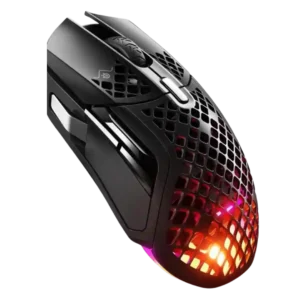
Best for FPS
Acceleration control is well represented through GG software settings and the sensor’s lack of unwanted acceleration in use.
Pros: Accuracy and tracking precision, motion consistency
Cons: debounce customization, tilt gesture controls
#18
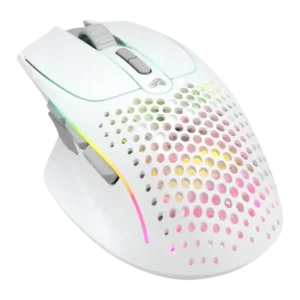
Best for FPS
Sensor acceleration specs are repeatedly high, with reviewers citing 50g acceleration and treating the sensor as capable for gaming.
Pros: DPI range, cross-platform compatibility
Cons: tilt gesture controls, battery life
#19
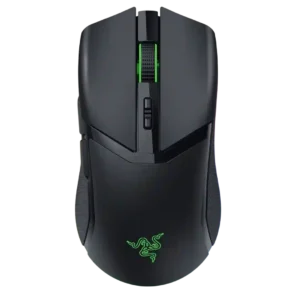
Best comfort
Sensor specs and testing repeatedly point to high acceleration handling, usually framed around the Focus Pro sensor’s 70G capability rather than user-tunable acceleration controls.
Pros: surface compatibility, sensor performance
Cons: tilt gesture controls, MOBA gaming suitability
#20
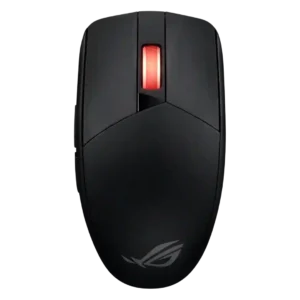
Best battery life
Strong consensus
Acceleration support is strong on paper, with multiple reviews citing the 50g acceleration rating alongside the high-end sensor specs.
Pros: click latency, sensor performance
Cons: palm grip comfort, skate durability
#21
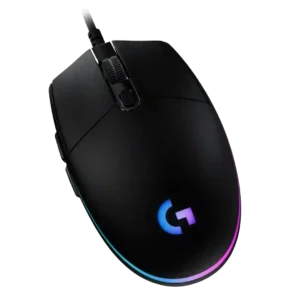
Best for FPS
Acceleration-related evidence is favorable: reviewers reported fantastic response, one-to-one tracking, and no acceleration complaints in the reviewed gameplay contexts.
Pros: motion consistency, connection stability
Cons: weight tuning, 2.4GHz connectivity
#22
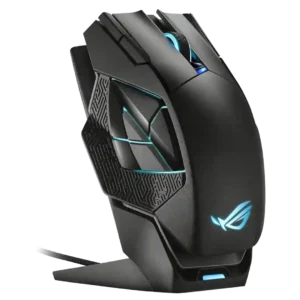
Best for FPS
A review explicitly lists 50G acceleration among the Spatha X's key performance specs.
Pros: DPI range, motion consistency
Cons: fingertip grip comfort, cross-platform compatibility
#23
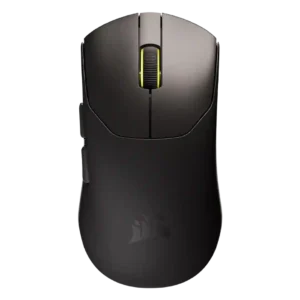
Best for FPS
One review directly highlights the sensor’s 50G acceleration capability, positioning it as high-end on paper.
Pros: polling rate, weight
Cons: RGB features, Bluetooth support
#24
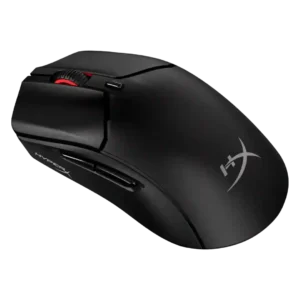
Best for FPS
The available evidence is mostly specification-level: reviewers mention 50G acceleration as part of the sensor spec rather than deep acceleration-tuning controls.
Pros: DPI range, switch durability
Cons: software stability, onboard memory
#25
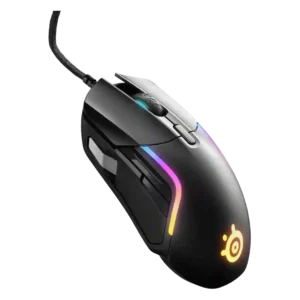
Best for FPS
Acceleration settings are configurable in SteelSeries software, and reviewers also noted no unwanted hardware acceleration in testing.
Pros: switch durability, surface compatibility
Cons: weight tuning, skate durability
#26
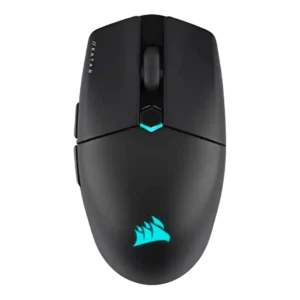
Best for FPS
Acceleration specs are repeatedly cited at 50G, reinforcing that the sensor has plenty of headroom for fast movements.
Pros: balance and weight distribution, software stability
Cons: MMO gaming suitability, durability over time
#27
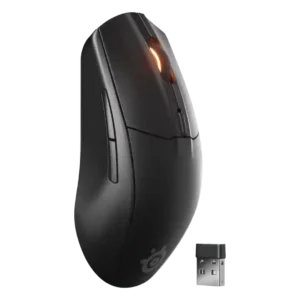
Best for FPS
Software-level acceleration and deceleration controls are available, and at least one review highlights no artificial acceleration for one-to-one tracking.
Pros: battery life, weight tuning
Cons: RGB features, lift-off distance
#28
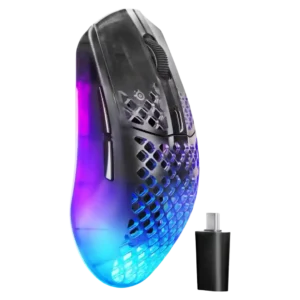
Best for FPS
The GG app provides acceleration and precision controls, giving advanced users room to tune response behavior beyond basic DPI and polling settings.
Pros: connection stability, wireless latency
Cons: MMO gaming suitability, fingertip grip comfort
#29
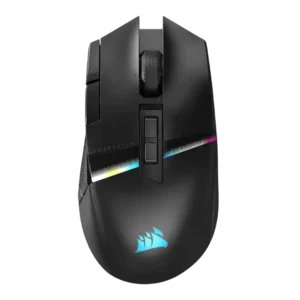
Best for MMO
The reviews that discuss acceleration tie it to the Marksman sensor specification, with repeated references to 50G acceleration rather than a user-facing acceleration-tuning feature.
Pros: sensor performance, programmable buttons
Cons: handedness options, cable flexibility
#30
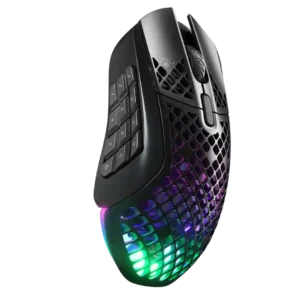
Best for FPS
Acceleration evidence is positive where discussed: reviewers cite acceleration/deceleration controls or sensor behavior without unwanted acceleration.
Pros: programmable buttons, MOBA gaming suitability
Cons: dock compatibility, handedness options
#31
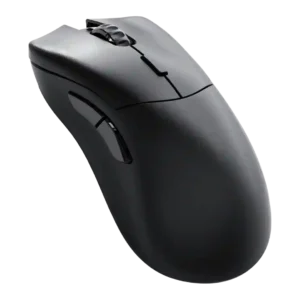
Best for FPS
Sensor specs consistently cite high acceleration capability, supporting strong gaming-grade tracking headroom rather than any separate acceleration-tuning feature.
Pros: click latency, sensor performance
Cons: Bluetooth support, RGB features
#32
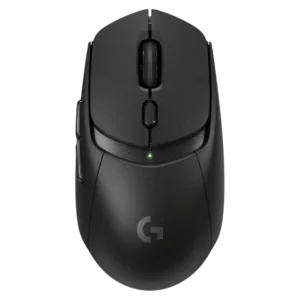
Best for MMO
Acceleration-related evidence is positive where measured or described, with reviewers citing 40G support and zero acceleration processing.
Pros: motion consistency, dock compatibility
Cons: tilt gesture controls, RGB features
#33
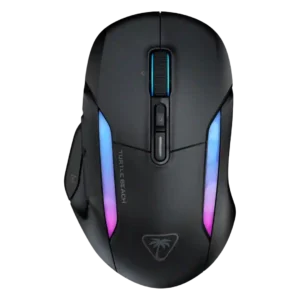
Best for MMO
Acceleration capability is supported by the 50g acceleration specification in the review evidence, but detailed acceleration behavior is not broadly tested.
Pros: MMO gaming suitability, onboard memory
Cons: dock compatibility, weight
#34
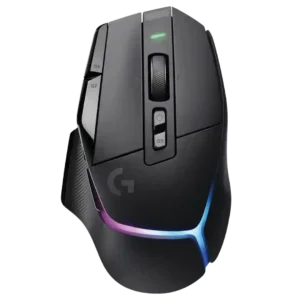
Best for FPS
Evidence points to controlled tracking with no unwanted acceleration in one review and high acceleration ratings in others, though angle snapping is not adjustable.
Pros: DPI range, materials quality
Cons: Bluetooth support, weight tuning
#35
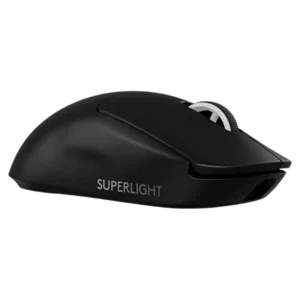
Best for FPS
Acceleration-related evidence is mostly specification and sensor behavior evidence: reviews cite 40G capability, smooth acceleration in play, and zero smoothing, acceleration, and filtering. This supports strong motion control rather than...
Pros: connection stability, cross-platform compatibility
Cons: Bluetooth support, RGB features
#36
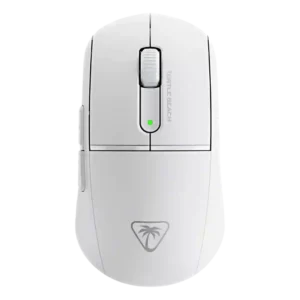
Best for FPS
Acceleration-related evidence is positive, mainly around 50G acceleration capability, no spin-out, angle snapping, and motion-control settings.
Pros: balance and weight distribution, weight
Cons: tilt gesture controls, RGB features
#37
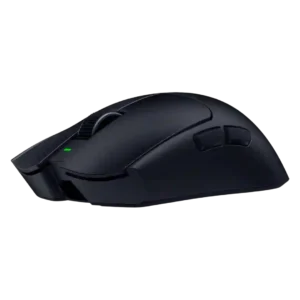
Best for FPS
Reviews mention Dynamic Sensitivity and related tuning that can change how speed or acceleration behaves. That gives advanced users meaningful control over pointer response.
Pros: DPI range, click latency
Cons: Bluetooth support, dock compatibility
#38
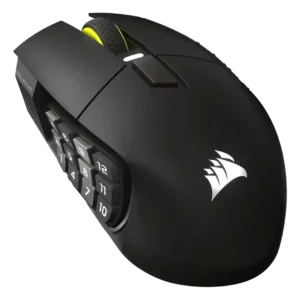
Best for FPS
Acceleration is discussed as part of the sensor specification rather than a separate tuning feature, with multiple reviews citing 50G acceleration capability.
Pros: macro support, click latency
Cons: dock compatibility, firmware reliability
#39
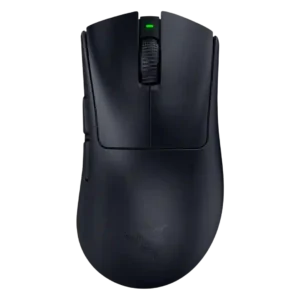
Best for FPS
Multiple reviews describe Dynamic Sensitivity, mouse rotation, sensitivity matching, or acceleration-style tuning as useful pro controls, though a few note that these tools require practice or may not suit every...
Pros: click latency, 2.4GHz connectivity
Cons: Bluetooth support, dock compatibility
#40
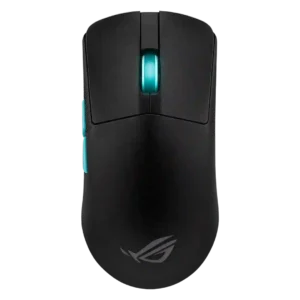
Best for FPS
Acceleration and angle behavior are configurable in several reviews through angle snapping, angle tuning, acceleration settings, or Aim Lab recommendations. Hardware acceleration tolerance is also cited, making this a defensible...
Pros: weight, sensor performance
Cons: MMO gaming suitability, software stability
#41
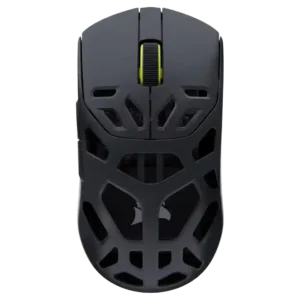
Best for FPS
Acceleration evidence is positive where reviewers mention 50G or 70G handling and tuning options such as angle snapping or ripple control.
Pros: Accuracy and tracking precision, build quality
Cons: RGB features, debounce customization
#42
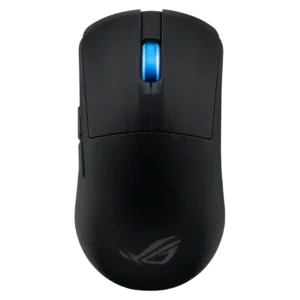
Best for FPS
Acceleration-related evidence is positive where tested or specified: reviewers noted mouse acceleration being off in testing, a 50G acceleration spec, and zero acceleration or jitter in use.
Pros: weight, sensor performance
Cons: software stability, debounce customization
#43
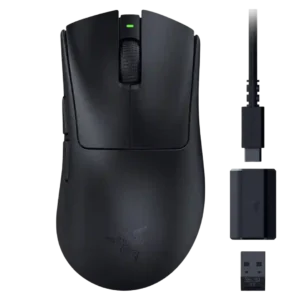
Best for FPS
Strong consensus
Dynamic Sensitivity is repeatedly highlighted as a meaningful acceleration-style tool for low-sensitivity FPS play, though a few reviewers found it niche or unnatural.
Pros: click latency, wireless latency
Cons: Bluetooth support, RGB features
#44
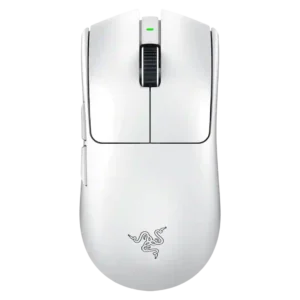
Best for FPS
The reviews that mention acceleration-related control point to software-level tuning, including acceleration curves, dynamic sensitivity, and rotation adjustment. This makes movement behavior adjustable, though the feature is not the main...
Pros: weight, FPS gaming suitability
Cons: Bluetooth support, RGB features
#45
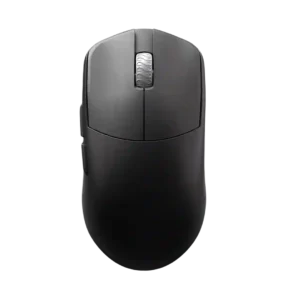
Best battery life
Acceleration-related controls are present through companion-app options for ripple control, motion smoothing, and angle snapping.
Pros: Accuracy and tracking precision, sensor performance
Cons: cable flexibility
#46
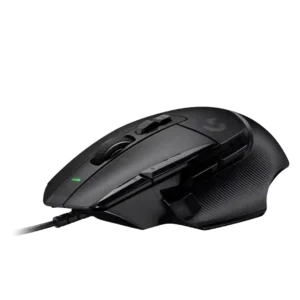
Best comfort
The sensor specification includes a high acceleration rating, though only one review gives direct evidence for this attribute.
Pros: charging convenience, Accuracy and tracking precision
Cons: weight tuning, RGB features
#47
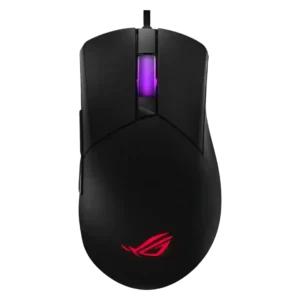
Best for FPS
Sensor specs list strong acceleration capability, though evidence focuses on maximum acceleration rather than deep acceleration tuning.
Pros: MMO gaming suitability, software stability
Cons: handedness options
#48
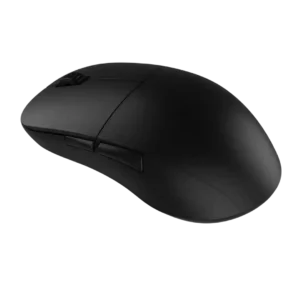
Best for FPS
Sensor specs and reviewer usage support strong acceleration handling for fast flicks, though it is discussed as capability rather than a separate tuning feature.
Pros: drag click support, wireless latency
Cons: RGB features, tilt gesture controls
#49
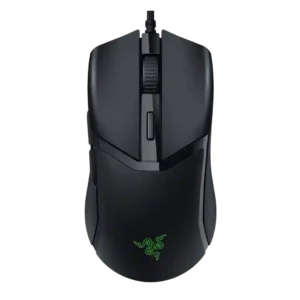
Best wireless
Acceleration-related performance is adequate in the reviews that mention it, with specs and no-skip testing supporting confidence.
Pros: switch durability, click latency
Cons: wireless performance, wireless latency
#50
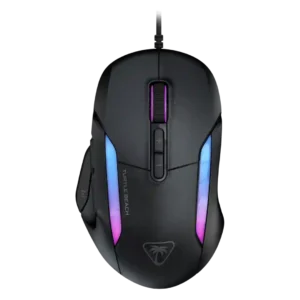
Best for FPS
Angle snapping and related motion settings are configurable in software, giving users some control over assisted movement behavior.
Pros: connection stability, 2.4GHz connectivity
Cons: handedness options, click noise