Best for programmable buttons
Turtle Beach Kone II
4.9 feature score
Highest scored product for this feature based on supporting review evidence.
Highest scored product for this feature based on supporting review evidence.
Balances feature score, supporting reviews, and overall product strength.
Has the broadest review evidence for this feature.
Strongest overall product among items with scored evidence for this feature.
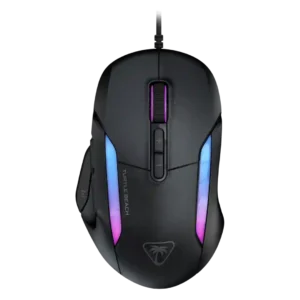
Programmable buttons were a major strength, with reviewers valuing the extra inputs, Easy-Shift layering, and seven-button expandability.
Pros: click latency, motion consistency
Cons: handedness options, portability
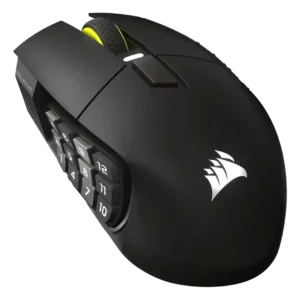
Programmable buttons were one of the mouse's defining strengths, repeatedly praised for productivity, gaming control, and flexible command access.
Pros: click latency, macro support
Cons: firmware reliability, tilt gesture controls
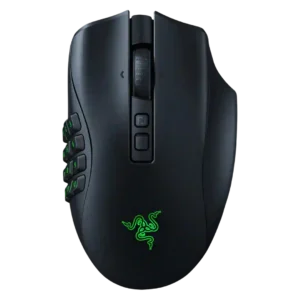
Programmable buttons were a core strength, with reviewers praising the sheer number and flexibility of assignable controls.
Pros: sensor performance, click latency
Cons: software stability, Bluetooth support
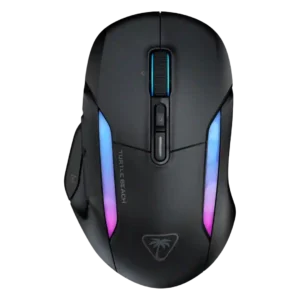
Programmable buttons were praised for expanding commands and making the mouse versatile for work, FPS, MMO, and macro-heavy use.
Pros: left and right click quality, software stability
Cons: polling rate, cross-platform compatibility
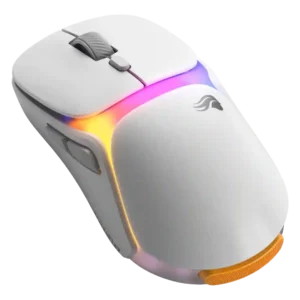
Programmable buttons were well received, especially because both the mouse and dock allowed flexible reassignment.
Pros: battery life, programmable buttons
Cons: software stability, firmware reliability
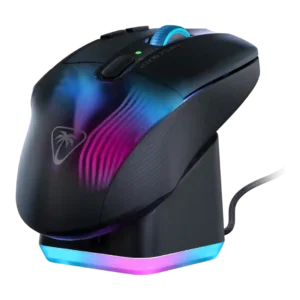
Programmable-button evidence was one of the product’s strongest areas, with reviewers repeatedly valuing the large number of inputs and easy access to functions.
Pros: click latency, motion consistency
Cons: firmware reliability, weight tuning
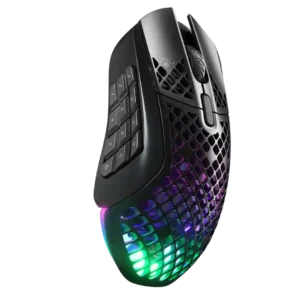
Programmable-button coverage was a major strength, with reviewers repeatedly valuing the 18-button layout.
Pros: motion consistency, surface compatibility
Cons: onboard memory, handedness options
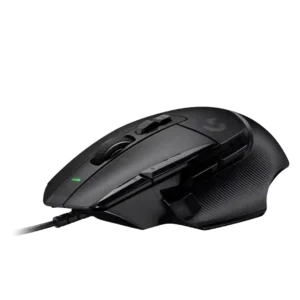
Programmable button support was one of the clearest strengths, with reviewers praising the large number of programmable controls for gaming and productivity.
Pros: Accuracy and tracking precision, click latency
Cons: claw grip comfort, portability
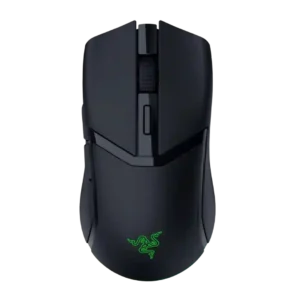
Programmable controls were praised for opening strong customization options and adapting to individual player needs.
Pros: 2.4GHz connectivity, surface compatibility
Cons: click noise, software stability
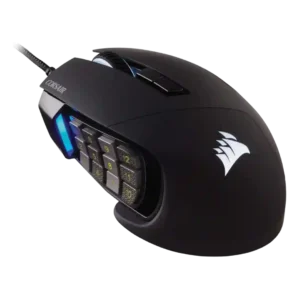
Programmable buttons were repeatedly praised as the main attraction, giving deep control for games and productivity.
Pros: button responsiveness, long-session comfort
Cons: handedness options, switch durability
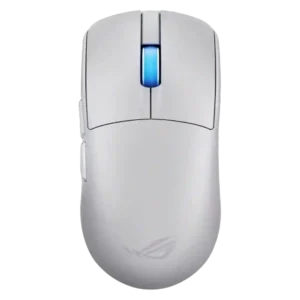
Programmable button evidence was positive but limited, centered on freely assignable buttons and full-feature button remapping.
Pros: acceleration control, wireless latency
Cons: onboard memory, MMO gaming suitability
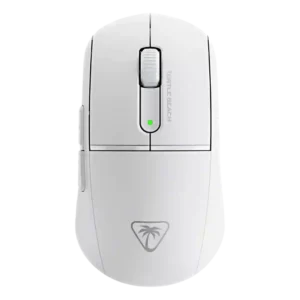
Programmable-button evidence was positive where Easy Shift, reassignment, and layered functions added utility despite the limited physical button count.
Pros: weight, balance and weight distribution
Cons: water and dust resistance, RGB features
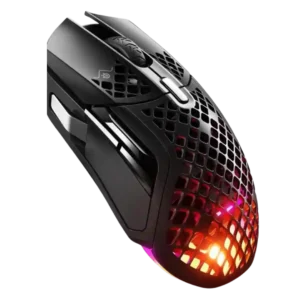
Programmable buttons were a major strength, giving the mouse multi-genre flexibility and extra inputs beyond typical lightweight mice.
Pros: motion consistency, connection stability
Cons: weight tuning, fingertip grip comfort
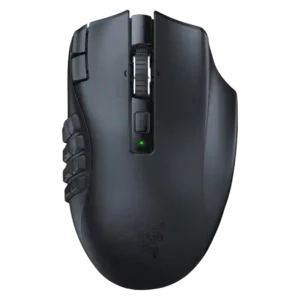
Programmable button density was repeatedly praised across reviews, especially the 12-button grid and the broader 19-button layout.
Pros: Accuracy and tracking precision, sensor performance
Cons: handedness options, fingertip grip comfort
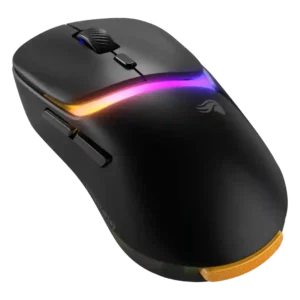
Programmable button support was seen as useful across the mouse and dock, with freely assignable controls.
Pros: glide smoothness, sensor performance
Cons: grip texture, firmware reliability
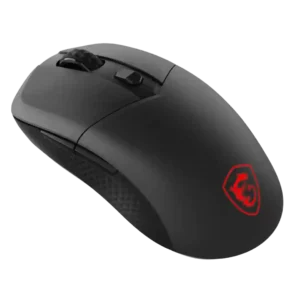
The available buttons can be reassigned for gaming or productivity shortcuts. The implementation is straightforward, though not as extensive as stronger rival suites.
Pros: Accuracy and tracking precision, click latency
Cons: software stability, profile switching
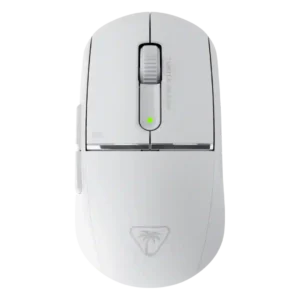
Programmable controls were viewed as useful, with reviewers praising the breadth of remapping and per-control customization.
Pros: wireless latency, surface compatibility
Cons: RGB features, firmware reliability
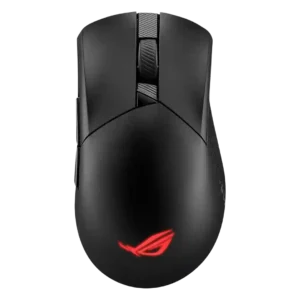
Programmable-button evidence was limited but positive, tied to reviewers praising broad configuration options.
Pros: motion consistency, surface compatibility
Cons: handedness options, software stability
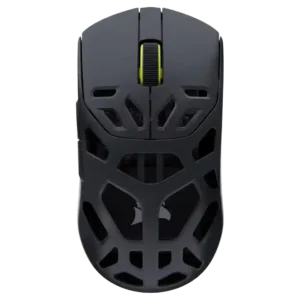
Programmable-button usefulness was supported by hands-on Web Hub evidence that mouse buttons were easy to tweak.
Pros: Accuracy and tracking precision, click latency
Cons: cable flexibility, ecosystem integration
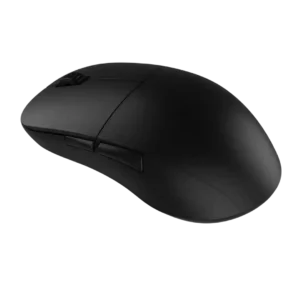
Programmable buttons were praised in one review for being easily accessible in the standard layout.
Pros: drag click support, claw grip comfort
Cons: handedness options, Bluetooth support
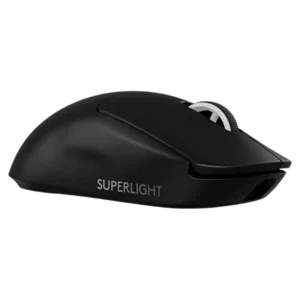
Programmable side buttons were useful to one reviewer for DPI adjustment, especially because the mouse lacks a dedicated DPI button.
Pros: macro support, fingertip grip comfort
Cons: weight tuning, cable flexibility
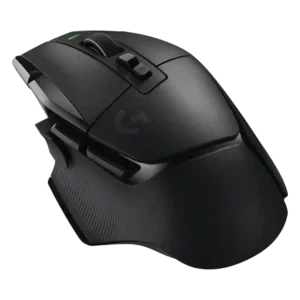
Programmable buttons were one of the clearest strengths for control, MMO use, and keyboard relief, though one reviewer felt the 13-button setup was excessive.
Pros: click latency, motion consistency
Cons: software stability, cross-platform compatibility
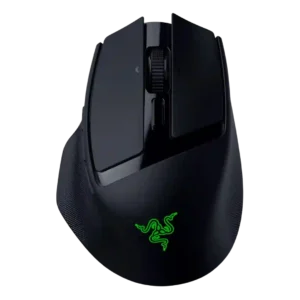
Programmable controls were valued for productivity and gaming shortcuts, especially where reviewers used or praised the extra buttons.
Pros: ecosystem integration, sensor performance
Cons: AI Prompt Master, durability over time
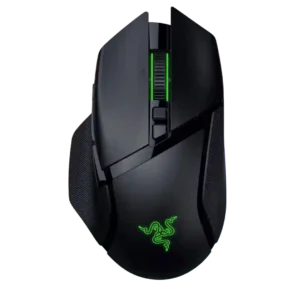
Programmable buttons were a major advantage, providing enough controls for productivity, MMOs, MOBAs, and general gaming.
Pros: lift-off distance, motion consistency
Cons: cross-platform compatibility, handedness options
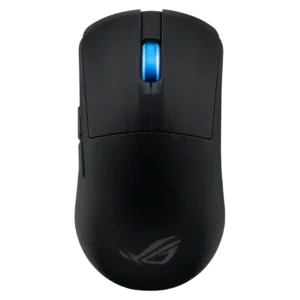
Programmable buttons were viewed as useful and easy to configure in the reviews that judged button programming.
Pros: cable flexibility, weight
Cons: software stability, handedness options
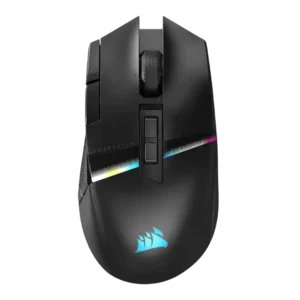
The large programmable-button set is a major selling point, especially for assigning skills, abilities, potions, and other inputs.
Pros: long-session comfort, sensor performance
Cons: handedness options, software stability
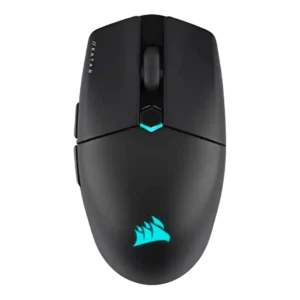
Programmable buttons were considered useful, especially through iCUE, though the simple six-button layout limits advanced layouts.
Pros: software stability, click latency
Cons: MMO gaming suitability, palm grip comfort
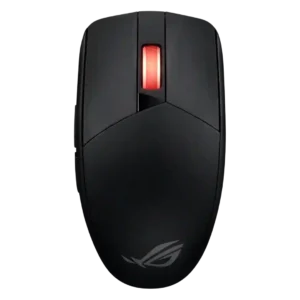
Programmable buttons are framed as useful because the configurable buttons add gameplay versatility through Armoury Crate.
Pros: motion consistency, Accuracy and tracking precision
Cons: cable flexibility, palm grip comfort
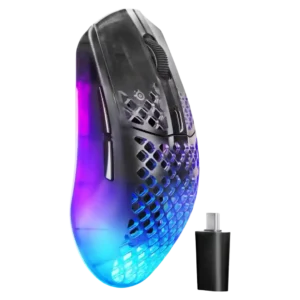
Programmable-button evidence was limited but positive, tied to useful side-button configuration for daily workflows.
Pros: click latency, motion consistency
Cons: palm grip comfort, fingertip grip comfort
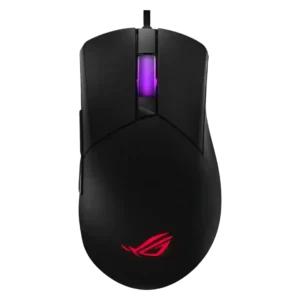
Programmable controls were praised through remapping, SpeedShift, macro-related options, and customizable side buttons.
Pros: onboard memory, software stability
Cons: handedness options
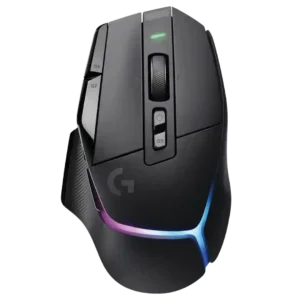
Programmable buttons were widely valued for genre flexibility, productivity, and accessible control layouts.
Pros: Accuracy and tracking precision, motion consistency
Cons: handedness options, lift-off distance
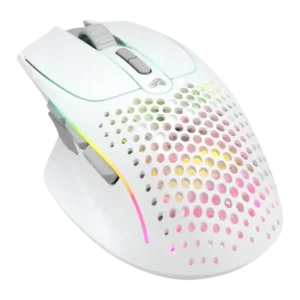
Programmable buttons were a major strength, with reviewers valuing remapping, layers, shortcuts, and expanded control options.
Pros: skate durability, cross-platform compatibility
Cons: handedness options, click noise
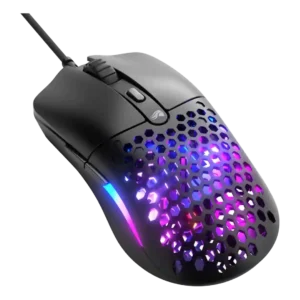
Programmable buttons were reviewed positively through simple effective programming and free mouse-button reconfiguration.
Pros: value for money, click latency
Cons: water and dust resistance, cable flexibility
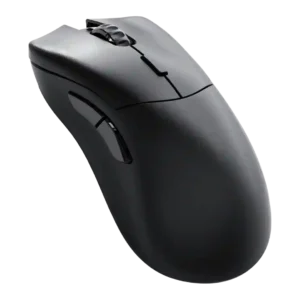
Programmable buttons were positively judged because reviewers could remap all buttons and assign macros or key bindings.
Pros: click latency, switch durability
Cons: Bluetooth support, handedness options
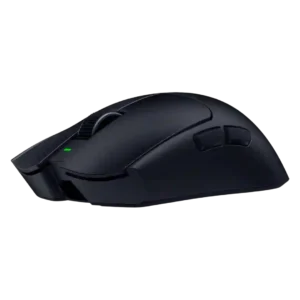
Programmable buttons were viewed as useful through Synapse customization, though the mouse remains a minimalist, low-button design.
Pros: balance and weight distribution, build quality
Cons: dock compatibility, Bluetooth support
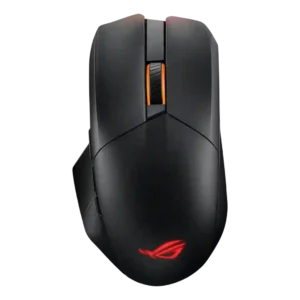
Programmable controls were valued for remapping, extra commands, and game-specific actions.
Pros: premium feel, Accuracy and tracking precision
Cons: software stability, FPS gaming suitability
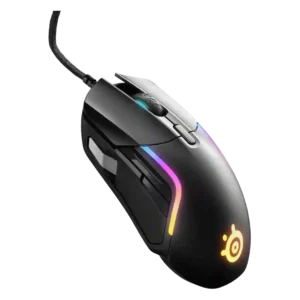
Programmable buttons were generally valued for multi-genre play, though some reviewers felt awkward placement reduced how many were truly usable.
Pros: switch durability, surface compatibility
Cons: weight tuning, portability
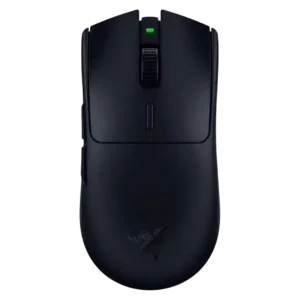
Programmable controls were easy to reach and sufficient for most reviewers, reinforcing the mouse's simple FPS-first layout.
Pros: motion consistency, wireless latency
Cons: handedness options, onboard memory
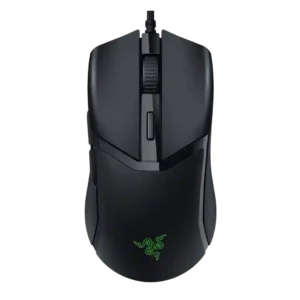
Programmable buttons were praised as customizable through Synapse and useful for standard gaming mouse controls.
Pros: Accuracy and tracking precision, motion consistency
Cons: click noise, onboard memory
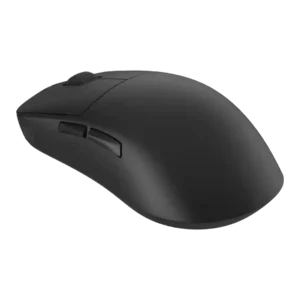
Programmable button evidence is positive where mentioned, with reviewers appreciating key mapping and functional button placement.
Pros: durability over time, sensor performance
Cons: MMO gaming suitability, surface compatibility
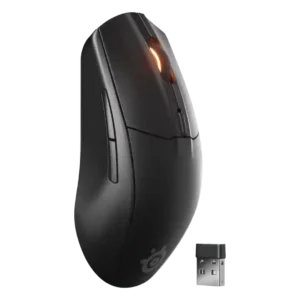
Reviewers valued the remappable side buttons and macro-capable controls, especially for a budget mouse.
Pros: build quality, ergonomic design
Cons: handedness options, RGB features
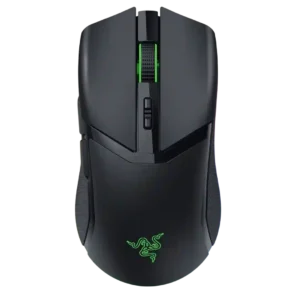
Programmable-button opinions were mixed: reviewers liked the extra utility, but some said the 10-control claim was inflated by underside or scroll functions.
Pros: motion consistency, sensor performance
Cons: software stability, MMO gaming suitability
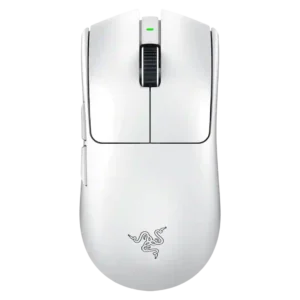
Programmable controls and remapping were seen as useful through Synapse, though the esports-focused button count limits broader genre flexibility.
Pros: click latency, balance and weight distribution
Cons: 2.4GHz connectivity, software stability
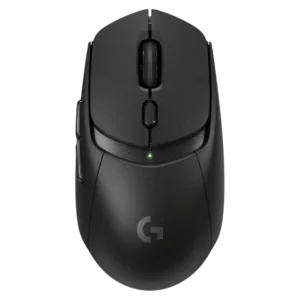
Programmable button usefulness was adequate but limited by the six-button layout; reviewers liked remapping but noted there is not much to remap.
Pros: click latency, onboard memory
Cons: lift-off distance, debounce customization
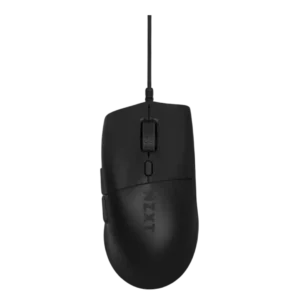
Programmable-button evidence was positive but limited by button count, with reviewers saying the mouse is configurable while noting few mappable buttons.
Pros: FPS gaming suitability, weight
Cons: fingertip grip comfort, handedness options
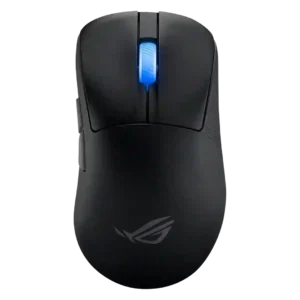
Programmable buttons were considered competitive and sufficient for this class, though not extensive like MMO mice.
Pros: connection stability, weight
Cons: handedness options, software usability
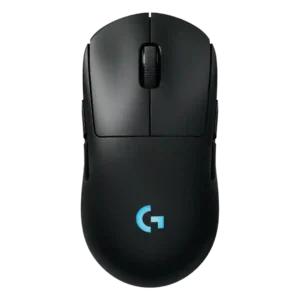
Programmable buttons are useful for flexible layouts, with one reviewer implying the richer button configuration is worth keeping.
Pros: palm grip comfort, handedness options
Cons: Bluetooth support, MMO gaming suitability
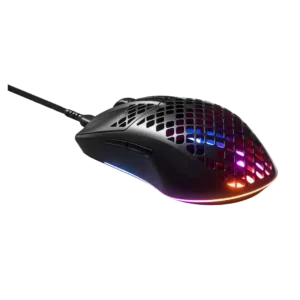
Programmable buttons were viewed as sufficiently flexible for gaming and everyday use.
Pros: click latency, acceleration control
Cons: palm grip comfort, onboard memory
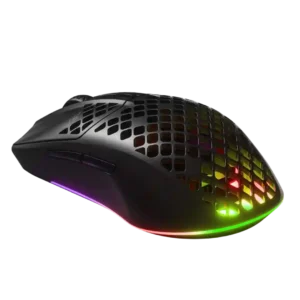
Programmable-button usefulness was supported through broader praise for customization options aimed at serious gamers.
Pros: Accuracy and tracking precision, surface compatibility
Cons: firmware reliability, palm grip comfort
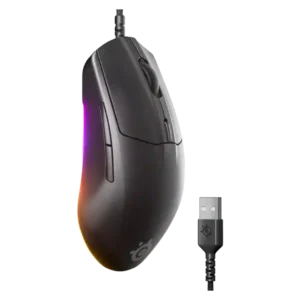
Programmable buttons were seen as adding practical flexibility and control when customized in software.
Pros: connection stability, left and right click quality
Cons: palm grip comfort, profile switching