Best for left and right click quality
Turtle Beach Kone II Air
5.0 feature score
Highest scored product for this feature based on supporting review evidence.
Highest scored product for this feature based on supporting review evidence.
Balances feature score, supporting reviews, and overall product strength.
Has the broadest review evidence for this feature.
Strongest overall product among items with scored evidence for this feature.
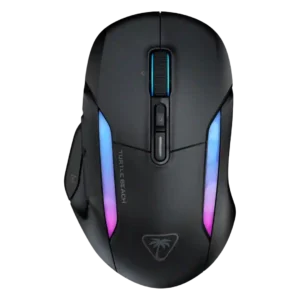
One video review specifically praised the main left and right buttons as excellent and balanced.
Pros: left and right click quality, onboard memory
Cons: dock compatibility, weight
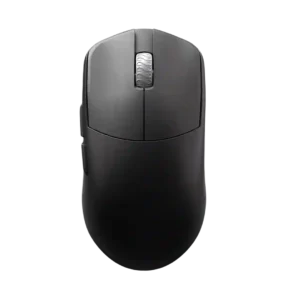
Left and right click quality is widely praised for crispness, consistency, and satisfying optical switch implementation.
Pros: Accuracy and tracking precision, sensor performance
Cons: cable flexibility
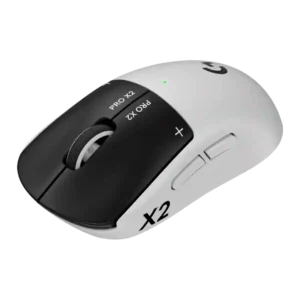
Left and right click quality is highly praised, especially the snappy, damped, customizable HITS feel.
Pros: DPI range, polling rate
Cons: Bluetooth support, RGB features
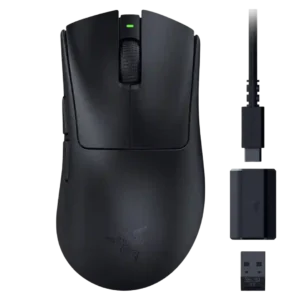
Left and right click quality is strong, with reviewers praising crisp, tactile, solid, and consistent primary clicks.
Pros: click latency, wireless latency
Cons: Bluetooth support, RGB features
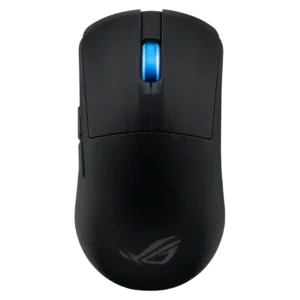
Left and right click quality was positive, with tactile, comfortable, and well-implemented main clicks noted in several reviews.
Pros: cable flexibility, weight
Cons: debounce customization, handedness options
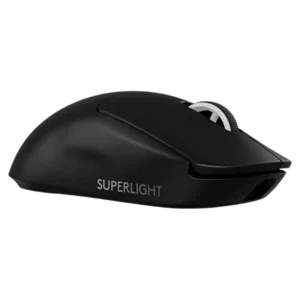
Left and right click quality is praised in several reviews for crisp, tactile Lightforce clicks, though feel depends on click-weight preference.
Pros: wireless performance, Accuracy and tracking precision
Cons: Bluetooth support, tilt gesture controls
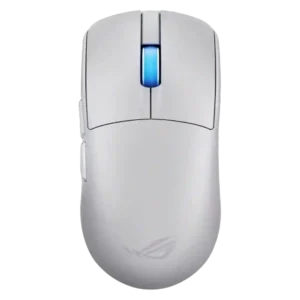
Left and right click quality is positive, with precise feedback and consistent main-button implementation noted in reviews.
Pros: polling rate, click latency
Cons: onboard memory, tilt gesture controls
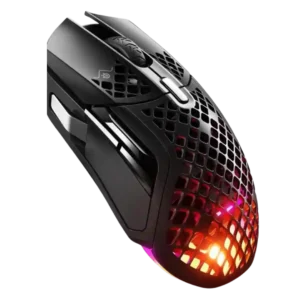
Left and right click quality is a highlight, with reviewers praising consistency, precision, and a satisfying click feel.
Pros: Accuracy and tracking precision, motion consistency
Cons: debounce customization, tilt gesture controls
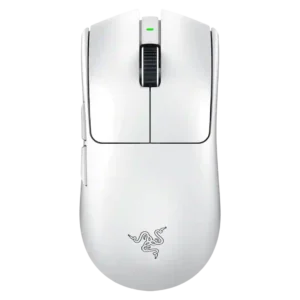
Left and right click quality is a major positive, with reviewers citing crisp action, no double-clicking, minimal travel, and dependable click feel.
Pros: DPI range, weight
Cons: Bluetooth support, RGB features
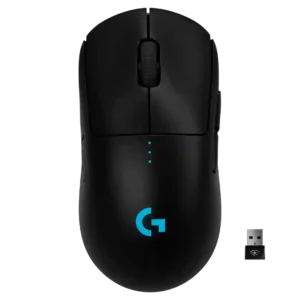
Main click quality is a recurring strength, with reviewers praising crisp, clean, satisfying, light, or responsive left and right buttons.
Pros: motion consistency, sensor performance
Cons: Bluetooth support, MMO gaming suitability
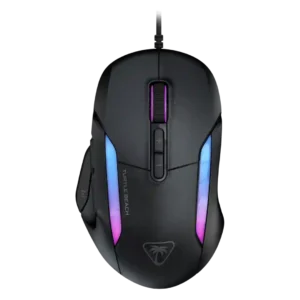
Left and right clicks are described as strong, snappy, uniform, and responsive in the reviews that discuss them directly.
Pros: switch durability, surface compatibility
Cons: handedness options, portability
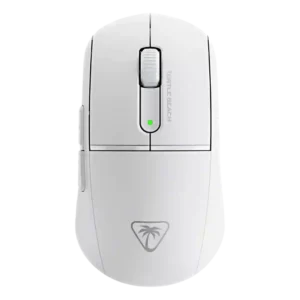
Left and right click quality is positive overall, with strong tactility and low travel, though one reviewer noticed asymmetry in pre-travel on a sample.
Pros: balance and weight distribution, weight
Cons: tilt gesture controls, RGB features
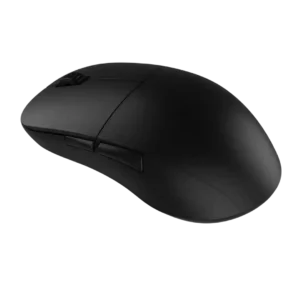
Left and right clicks are generally praised for crisp optical feel, though some reviewers found them heavy or uneven.
Pros: drag click support, wireless latency
Cons: RGB features, tilt gesture controls
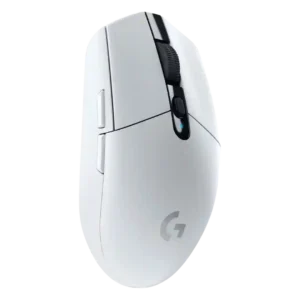
Main click quality is praised for springy, satisfying feedback and immediate bounce-back.
Pros: wireless latency, motion consistency
Cons: Bluetooth support, charging convenience
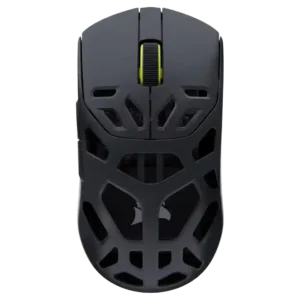
Left and right clicks are praised for crisp feel, solid snap, clear pressure points, and satisfying implementation.
Pros: Accuracy and tracking precision, build quality
Cons: RGB features, debounce customization
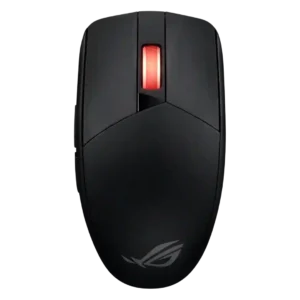
Left and right clicks are well regarded for PBT caps, crisp feel, minimal travel, and precise actuation.
Pros: click latency, sensor performance
Cons: palm grip comfort, skate durability
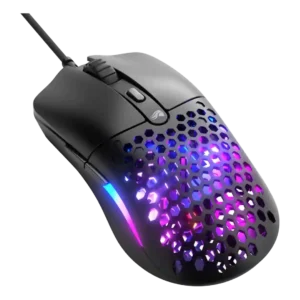
Left and right click quality is a strong point, with reviewers praising crisp, tactile, and precise main clicks.
Pros: value for money, switch durability
Cons: wireless latency, Bluetooth support
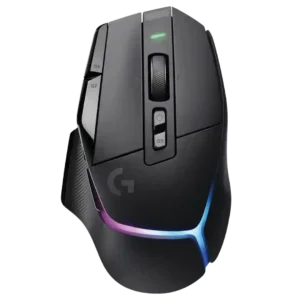
Left and right click quality is strong, with satisfying, tactile, non-mushy, and improved main clicks reported.
Pros: DPI range, materials quality
Cons: Bluetooth support, weight tuning
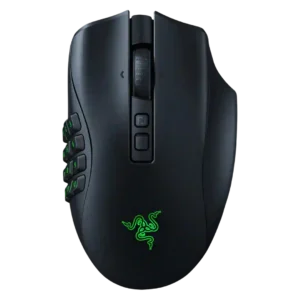
Main click quality is positive, with reviewers describing satisfying tactile left/right clicks and good optical switch feel.
Pros: click latency, switch durability
Cons: handedness options, weight
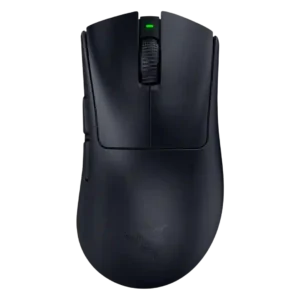
Left and right clicks feel responsive, light, firm, and accurate, though some reviewers dislike the louder sound.
Pros: Accuracy and tracking precision, sensor performance
Cons: RGB features, dock compatibility
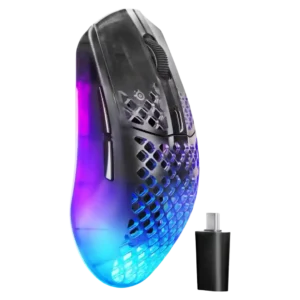
Main click quality is generally positive, with reviewers describing consistent, satisfying, clicky left/right button feedback.
Pros: connection stability, wireless latency
Cons: MMO gaming suitability, fingertip grip comfort
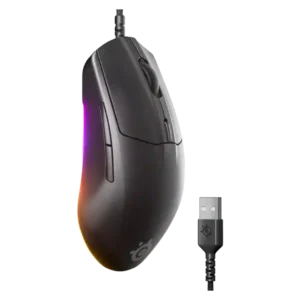
Primary click quality is a strength, with reviewers calling the left and right clicks firm, responsive, balanced, and good for rapid tapping.
Pros: connection stability, value for money
Cons: Bluetooth support, 2.4GHz connectivity
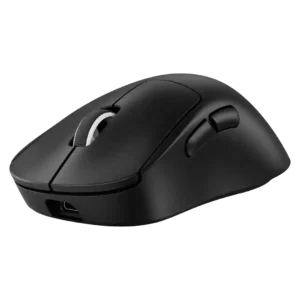
Left and right click quality is a standout, with reviewers repeatedly praising the Lightforce main clicks as crisp, tactile, snappy, or satisfying.
Pros: motion consistency, acceleration control
Cons: tilt gesture controls, Bluetooth support
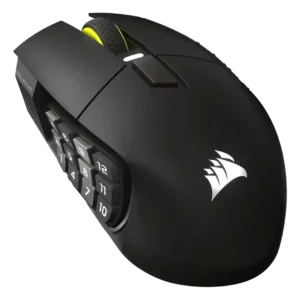
Left and right clicks are mostly praised for crispness, feedback, and responsiveness, though some reviewers find them slightly mushy or inconsistent.
Pros: macro support, click latency
Cons: dock compatibility, firmware reliability
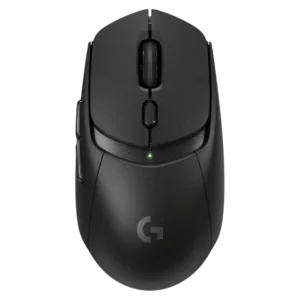
Left and right click quality is well liked, with reviewers praising satisfying, low-resistance, tactile primary clicks.
Pros: motion consistency, dock compatibility
Cons: tilt gesture controls, RGB features
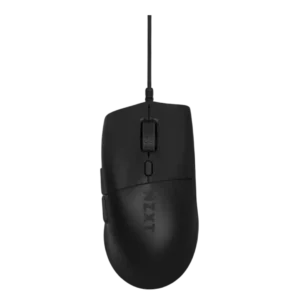
Left and right click quality is well regarded, with reviewers noting crisp, solid, consistent, tactile clicks and only minor travel complaints.
Pros: DPI range, polling rate
Cons: wireless performance, Bluetooth support
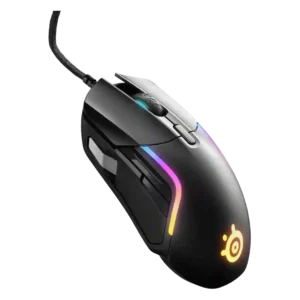
Left and right click quality is well supported by reports of responsive main clicks with no stickiness, double-clicking or missed inputs.
Pros: switch durability, surface compatibility
Cons: weight tuning, skate durability
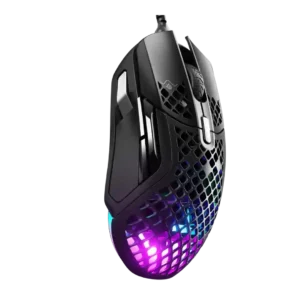
Main left and right click quality is consistently positive, with reviewers praising satisfying clicks, snappy primary buttons, and comfortable finger grooves.
Pros: glide smoothness, weight
Cons: handedness options, side button quality
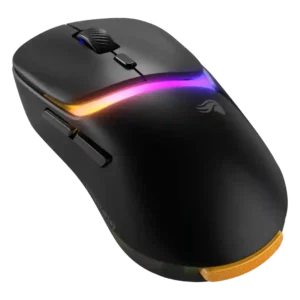
Left and right click quality is generally solid, with consistent main clicks and robust button feel.
Pros: switch durability, DPI range
Cons: grip texture, portability
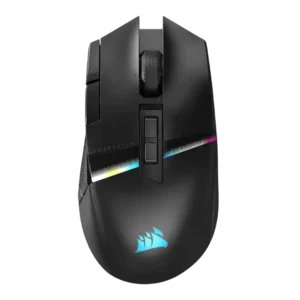
The left and right clicks were widely praised for optical switches, crisp feel, snappiness, and a pleasant clicking experience.
Pros: programmable buttons, DPI range
Cons: handedness options, cable flexibility
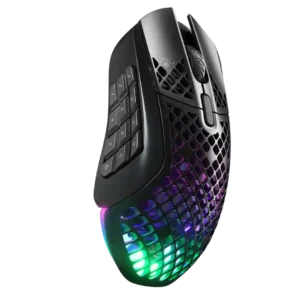
Left and right click quality is mostly positive, with crisp, responsive, satisfying main clicks, though one review notes side wobble.
Pros: programmable buttons, MOBA gaming suitability
Cons: dock compatibility, handedness options
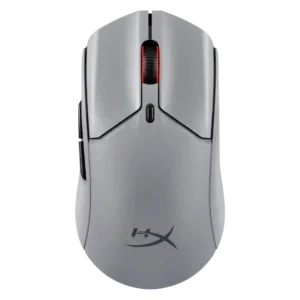
Main click quality is a strong point overall, with optical switches and primary buttons praised for feel, rebound, and low play despite one uneven-button complaint.
Pros: wireless latency, connection stability
Cons: palm grip comfort, software stability
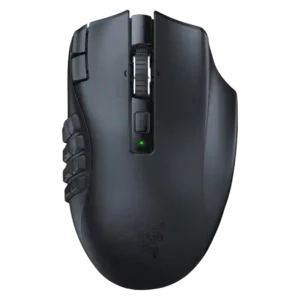
Left and right click quality is positive, supported by crisp tactile feedback and a reviewer saying Razer clicks feel better than cheaper alternatives.
Pros: DPI range, Accuracy and tracking precision
Cons: handedness options, cable flexibility
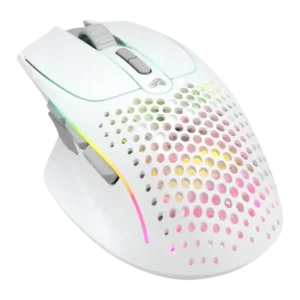
Left and right clicks are generally strong, with split-shell buttons, crisp response, and satisfying feel.
Pros: DPI range, cross-platform compatibility
Cons: tilt gesture controls, battery life
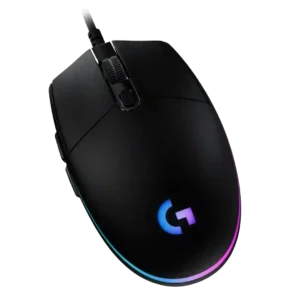
Left and right click quality is a standout, with reviewers describing the main buttons as sharp, responsive, tactile, consistent, and well-made.
Pros: motion consistency, connection stability
Cons: weight tuning, 2.4GHz connectivity
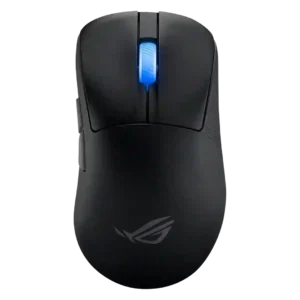
Left/right click quality is generally strong, with PBT or optical construction and consistent feel praised, though a few reviewers criticized travel or hollow feel.
Pros: DPI range, weight
Cons: debounce customization, handedness options
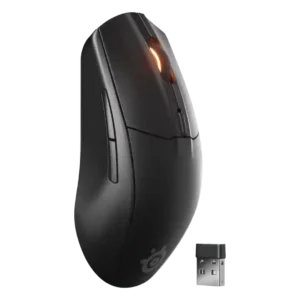
Primary click quality is generally praised as snappy, responsive, tactile, and satisfying.
Pros: battery life, weight tuning
Cons: RGB features, lift-off distance
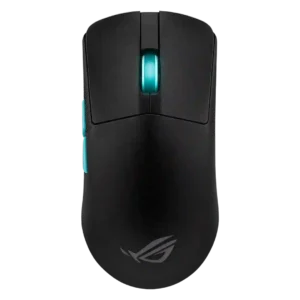
Main click quality is positive where discussed, with reviewers praising firm, tactile, low-wobble, and well-shaped left/right clicks.
Pros: weight, DPI range
Cons: MMO gaming suitability, software stability
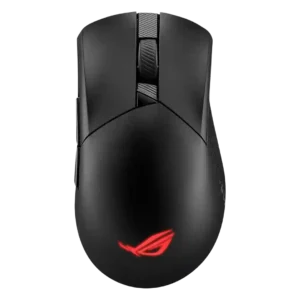
Left and right click quality was mostly positive for low wobble, little pre/post-travel, and pleasant pressure, with some criticism of firmer clicks.
Pros: click latency, connection stability
Cons: tilt gesture controls, software stability
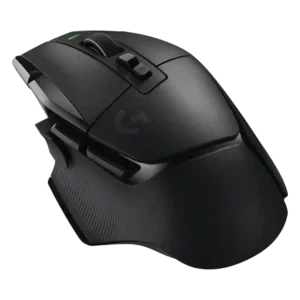
Left and right click quality is mostly positive for speed and feel, though some reviewers find the switches less distinctive.
Pros: acceleration control, long-session comfort
Cons: Bluetooth support, weight tuning
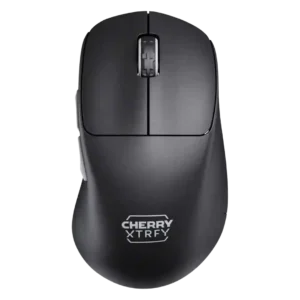
Left and right click quality was mostly praised for feel and reliability, with several reviewers calling the clicks snappy, satisfying, or trouble-free in gameplay.
Pros: weight, Accuracy and tracking precision
Cons: RGB features, button customization
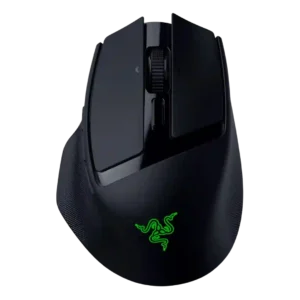
Left and right click quality is strong overall, with crisp, precise, tactile, and light-click feedback across reviews.
Pros: click latency, switch durability
Cons: AI Prompt Master, click noise
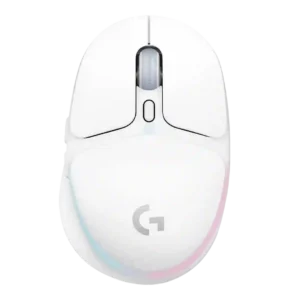
Left and right click quality was well received, with reviewers calling the clicks pleasant, light, sharp, and responsive.
Pros: cross-platform compatibility, wireless performance
Cons: weight tuning, handedness options
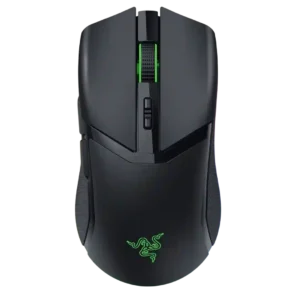
Left and right click quality is generally positive, with reviewers calling the clicks tactile, expected for Razer, or nicely implemented.
Pros: surface compatibility, sensor performance
Cons: tilt gesture controls, MOBA gaming suitability
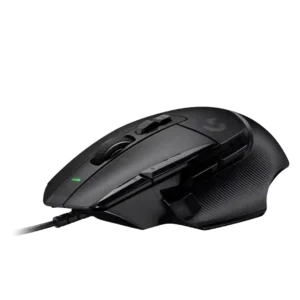
Left and right clicks feel solid and finely crafted, with reviewers emphasizing hybrid actuation and improved click quality.
Pros: charging convenience, Accuracy and tracking precision
Cons: weight tuning, RGB features
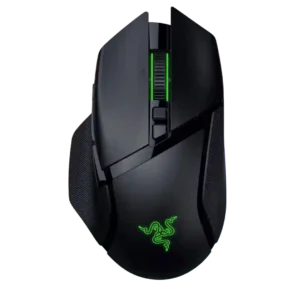
Left and right click quality is mostly positive for speed and actuation, with one review calling the clicks somewhat squishy.
Pros: programmable buttons, Bluetooth support
Cons: handedness options, firmware reliability
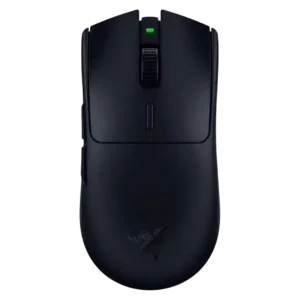
Left and right click quality ranges from crisp and snappy to somewhat mushy depending on reviewer grip and unit.
Pros: DPI range, acceleration control
Cons: RGB features, Bluetooth support
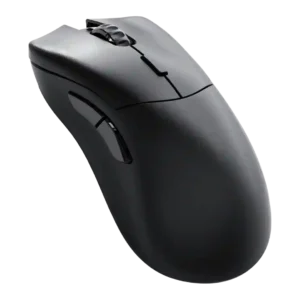
Primary click quality is generally good with optical switches, but some reviewers wanted a more tactile or premium click feel.
Pros: click latency, sensor performance
Cons: Bluetooth support, RGB features
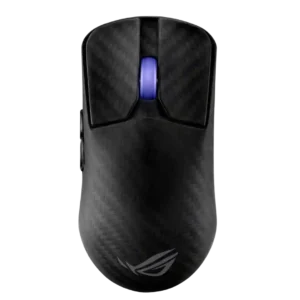
Main click quality is a major strength in several reviews, but not universal; one reviewer reported uneven click feel and another noted post-travel.
Pros: weight, polling rate
Cons: value for money, software stability
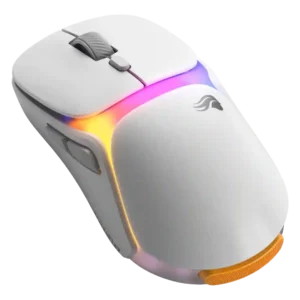
Left and right click quality is mostly positive, with normal clicks, robust main buttons, and responsive optical clicks noted.
Pros: switch durability, connection stability
Cons: MOBA gaming suitability, MMO gaming suitability