Best for shape comfort
Razer DeathAdder V4 Pro
4.7 feature score
Highest scored product for this feature based on supporting review evidence.
Highest scored product for this feature based on supporting review evidence.
Balances feature score, supporting reviews, and overall product strength.
Has the broadest review evidence for this feature.
Strongest overall product among items with scored evidence for this feature.
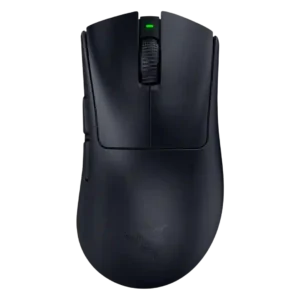
Shape comfort was one of the strongest areas, with many reviewers praising the familiar ergonomic DeathAdder shape and in-hand comfort.
Pros: Accuracy and tracking precision, sensor performance
Cons: onboard memory, handedness options
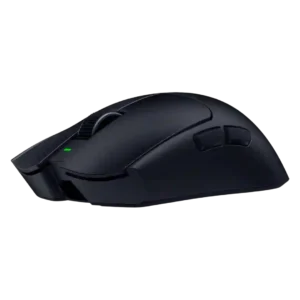
Shape comfort was widely positive for the familiar symmetrical Viper shell, though it remains preference-dependent.
Pros: balance and weight distribution, build quality
Cons: dock compatibility, Bluetooth support
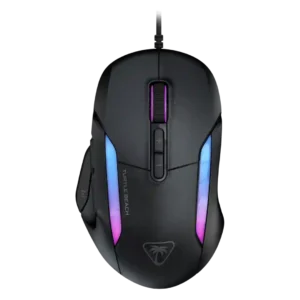
Shape comfort was the dominant theme: reviewers loved the large ergonomic shape for the right hands, while warning that its size is not universal.
Pros: click latency, motion consistency
Cons: handedness options, portability
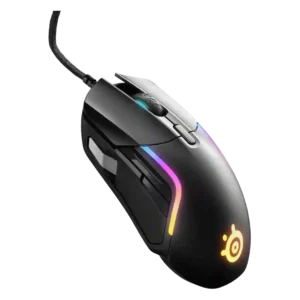
Shape comfort was mostly positive, with reviewers praising the hand fit and general comfort, though size and edge geometry did not suit everyone.
Pros: switch durability, surface compatibility
Cons: weight tuning, portability
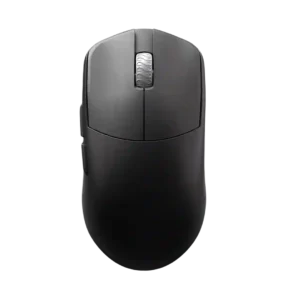
Shape comfort is one of the strongest themes, especially for a larger, formed ambidextrous shape that several reviewers enjoyed.
Pros: DPI range, balance and weight distribution
Cons: charging convenience, click noise
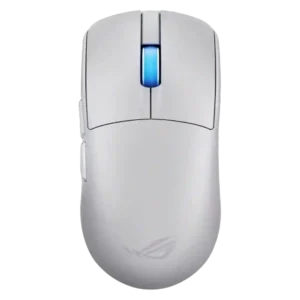
Shape comfort was broadly positive for neutral, refined handling, though one reviewer found the mouse a little too big.
Pros: acceleration control, wireless latency
Cons: onboard memory, MMO gaming suitability
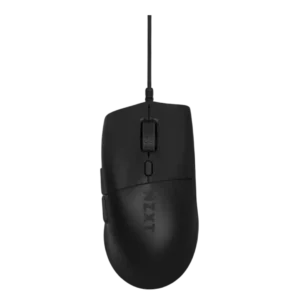
Shape comfort was broadly positive, especially for larger right-handed users, though one reviewer personally preferred smaller ergonomic mice.
Pros: FPS gaming suitability, weight
Cons: fingertip grip comfort, handedness options
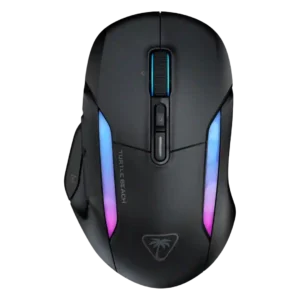
Shape comfort was one of the strongest themes for medium-to-large hands, though smaller-hand reviewers sometimes found the shape too large to feel natural.
Pros: left and right click quality, software stability
Cons: polling rate, cross-platform compatibility
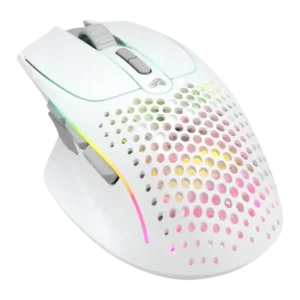
Shape comfort was a repeated strength, with reviewers calling the mouse natural, comfortable, and improved over related models.
Pros: skate durability, cross-platform compatibility
Cons: handedness options, click noise
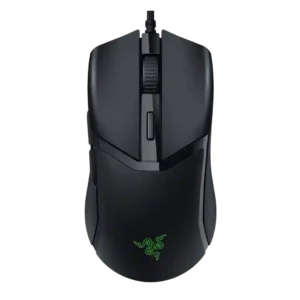
Shape comfort was broadly positive for small to medium hands, although large-handed users may find the mouse too small.
Pros: Accuracy and tracking precision, motion consistency
Cons: click noise, onboard memory
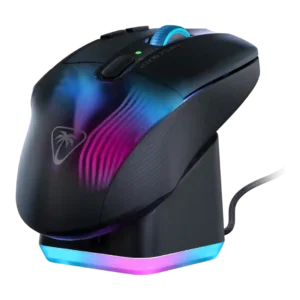
Shape comfort was generally praised in the scored evidence, especially by reviewers who liked the larger ergonomic Kone shape.
Pros: click latency, motion consistency
Cons: firmware reliability, weight tuning
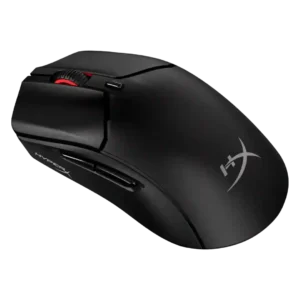
Shape comfort was generally strong, especially for users who liked the low, simple Haste shape, though ambidextrous flatness did not satisfy everyone.
Pros: long-session comfort, balance and weight distribution
Cons: software stability, firmware reliability
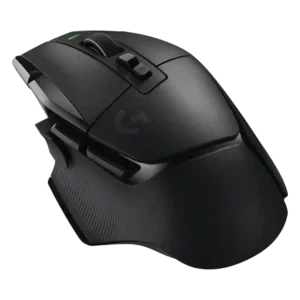
Shape comfort was broadly positive, especially for larger hands and thumb support, though a few reviewers noted shape, reach, or weight caveats.
Pros: click latency, motion consistency
Cons: software stability, cross-platform compatibility
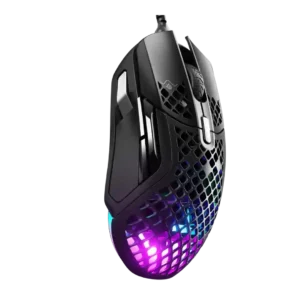
Shape comfort was widely praised, especially for larger hands and relaxed ergonomic use, though some size caveats remained.
Pros: glide smoothness, click latency
Cons: handedness options, DPI range
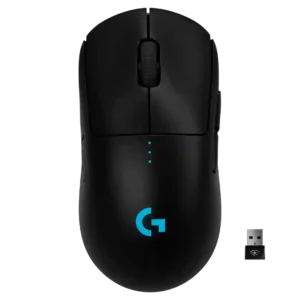
Shape comfort was broadly praised as safe, comfortable, and adaptable, though a few reviewers wanted different hump, width, or taper details.
Pros: polling rate, motion consistency
Cons: MOBA gaming suitability, durability over time
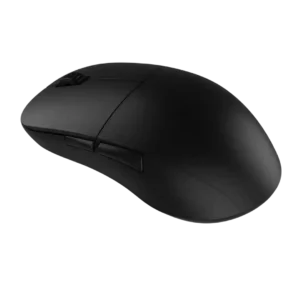
Shape comfort was strongly positive for the right hand size and grip, especially claw, but some reviewers found the shape subjective or difficult to adapt to.
Pros: drag click support, claw grip comfort
Cons: handedness options, Bluetooth support
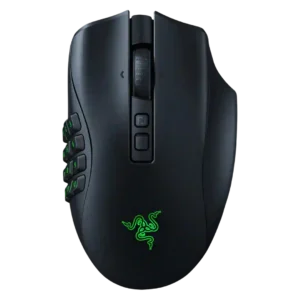
Shape comfort was broadly positive, though the bulky body works better for larger hands and MMO-style use than ultralight FPS play.
Pros: sensor performance, click latency
Cons: software stability, Bluetooth support
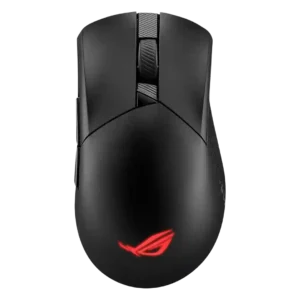
Shape comfort was a major positive for many reviewers, especially for larger or palm-oriented hands, but some found it too small or bulky.
Pros: motion consistency, surface compatibility
Cons: handedness options, software stability
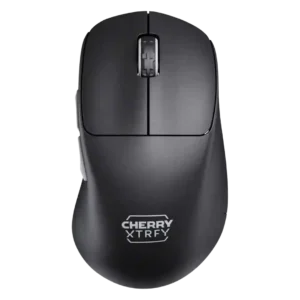
Shape comfort was mostly praised for a natural, distinctive M64 feel, though reviewers also framed it as a less-safe shape for some users.
Pros: 2.4GHz connectivity, long-session comfort
Cons: debounce customization, fingertip grip comfort
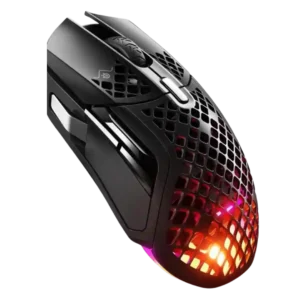
Shape comfort was broadly praised for a comfortable larger right-handed shape, though some found it big or less suited to small hands.
Pros: motion consistency, connection stability
Cons: weight tuning, fingertip grip comfort
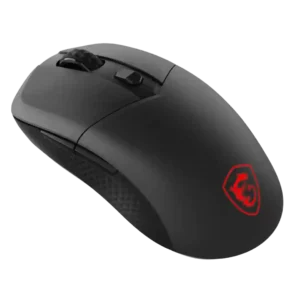
Most reviewers found the safe, symmetrical shape comfortable and easy to adapt to. The slimmer width, central hump, and side texture may not suit every hand.
Pros: Accuracy and tracking precision, click latency
Cons: software stability, profile switching
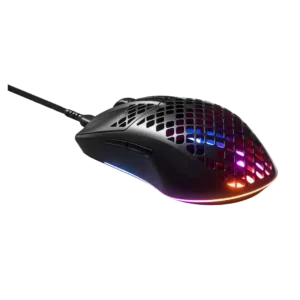
Shape comfort was generally positive, especially for users who liked the Rival-style low profile.
Pros: click latency, acceleration control
Cons: palm grip comfort, onboard memory
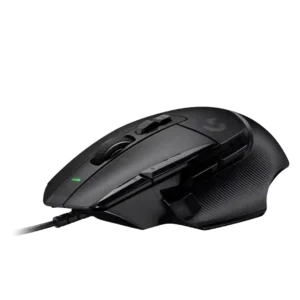
Shape comfort was broadly strong, especially for average or larger hands, but reviewers warned that smaller hands may struggle.
Pros: Accuracy and tracking precision, click latency
Cons: claw grip comfort, portability
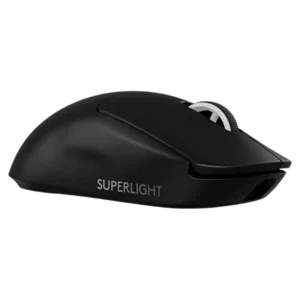
Shape comfort was broadly praised as safe, familiar, and very comfortable, though a few reviewers disliked the rounded shape personally.
Pros: macro support, fingertip grip comfort
Cons: weight tuning, cable flexibility
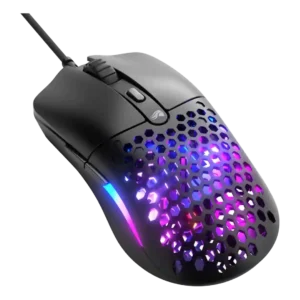
Shape comfort was broadly positive, especially for the symmetrical, familiar body, though palm and claw use had some caveats.
Pros: value for money, click latency
Cons: water and dust resistance, cable flexibility
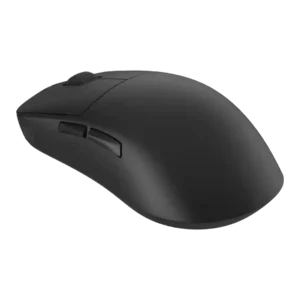
Shape comfort is a major positive for many reviewers, especially the compact narrow form, but some found it too flat, too small, or hand-size dependent.
Pros: durability over time, sensor performance
Cons: MMO gaming suitability, surface compatibility
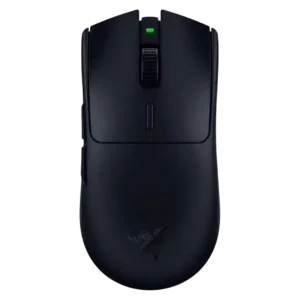
Shape comfort was broadly praised for the redesigned hump and fuller support, though a few reviewers disliked it for their grip or game style.
Pros: motion consistency, wireless latency
Cons: handedness options, onboard memory
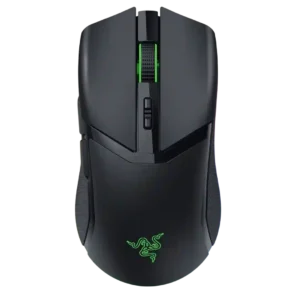
Shape comfort was broadly positive for small and medium hands and mixed grip styles, but reviewers with larger hands or Viper Mini expectations were less convinced.
Pros: motion consistency, sensor performance
Cons: software stability, MMO gaming suitability
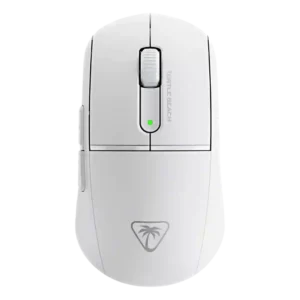
Shape comfort was mostly positive across reviews, especially for the stubby rear-hump form, though some hands found the sides or size less comfortable.
Pros: weight, balance and weight distribution
Cons: water and dust resistance, RGB features
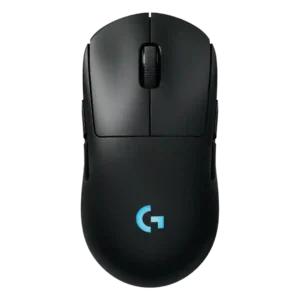
Shape comfort is mostly praised as familiar, smooth, and comfortable, especially for users who already like the Pro shape.
Pros: palm grip comfort, handedness options
Cons: Bluetooth support, MMO gaming suitability
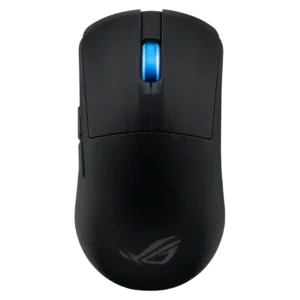
Shape comfort was mostly praised for smaller hands and compact preferences, but larger-hand comfort was a recurring limitation.
Pros: cable flexibility, weight
Cons: software stability, handedness options
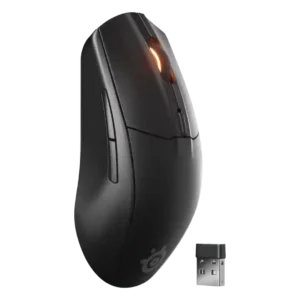
The shell was broadly praised as comfortable, simple, and effective, especially for smaller hands or non-palm grips.
Pros: build quality, ergonomic design
Cons: handedness options, RGB features
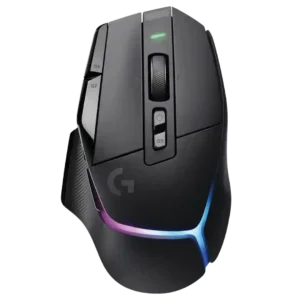
Shape comfort was broadly positive, especially for larger hands and G502 fans, though a few reviewers found it cramped or size-dependent.
Pros: Accuracy and tracking precision, motion consistency
Cons: handedness options, lift-off distance
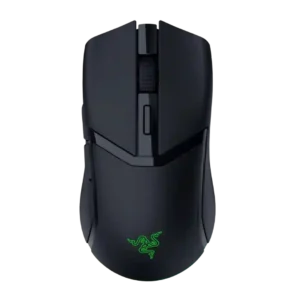
Shape comfort was broadly praised, especially by users with smaller or adaptable grips, but some reviewers found the compact shape uncomfortable.
Pros: 2.4GHz connectivity, surface compatibility
Cons: click noise, software stability
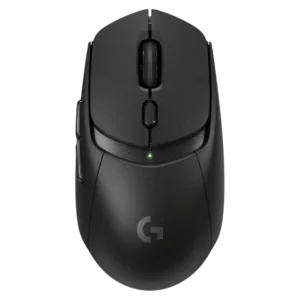
Shape comfort ranged from excellent to merely safe; several reviewers found it comfortable, while others considered it generic or not ideal for their preferred grip.
Pros: click latency, onboard memory
Cons: lift-off distance, debounce customization
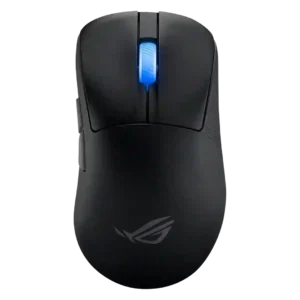
Shape comfort was generally praised, especially for right-handed ergonomic users, but hand size and finger length created caveats.
Pros: connection stability, weight
Cons: handedness options, software usability
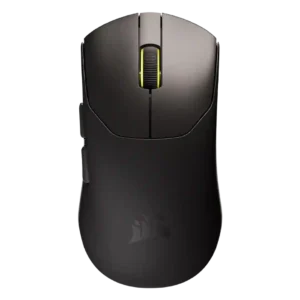
Shape comfort was mostly positive thanks to the safe symmetrical shape, though some reviewers still found the design basic or dependent on hand size.
Pros: connection stability, weight
Cons: click latency, cable flexibility
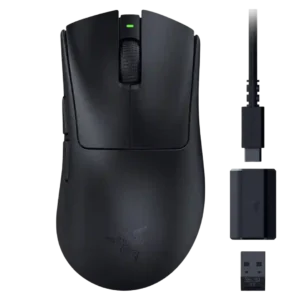
Shape comfort was the most context-dependent attribute: many liked the smaller ergonomic shell, while some disliked the front flare, smaller size, or hand-fit tradeoffs.
Pros: click latency, motion consistency
Cons: handedness options, Bluetooth support
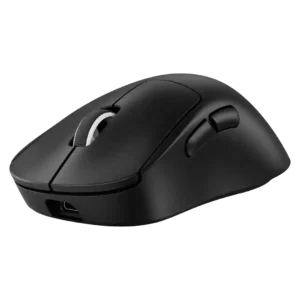
Shape comfort split reviewers: many loved the ergonomic, right-handed shape, while several found it too bulky, awkward, or hand-size dependent.
Pros: motion consistency, acceleration control
Cons: cable flexibility, cross-platform compatibility
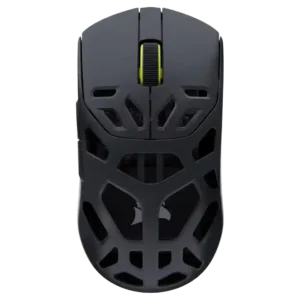
Shape comfort was generally positive thanks to a safe symmetrical form, though the strongest comfort evidence leaned toward claw and fingertip grips.
Pros: Accuracy and tracking precision, click latency
Cons: cable flexibility, ecosystem integration
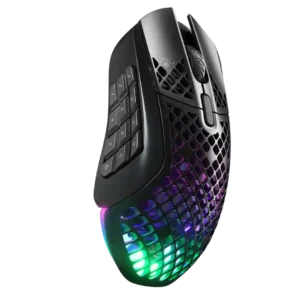
Shape comfort was mostly positive for larger or palm-oriented hands, with reservations about fatigue, size, or mixed grip support.
Pros: motion consistency, surface compatibility
Cons: onboard memory, handedness options
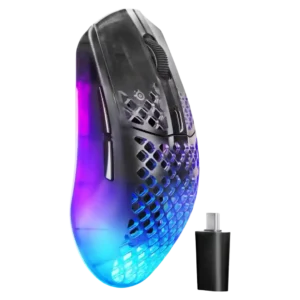
Shape comfort was polarizing, ranging from favorite-shape praise to criticism of the flared rear and grip-specific comfort issues.
Pros: click latency, motion consistency
Cons: palm grip comfort, fingertip grip comfort
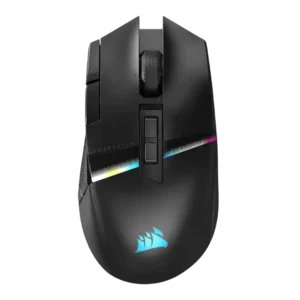
Shape comfort is mostly positive, especially for medium-to-large hands, but one smaller-hand reviewer found it unwieldy.
Pros: long-session comfort, sensor performance
Cons: handedness options, software stability
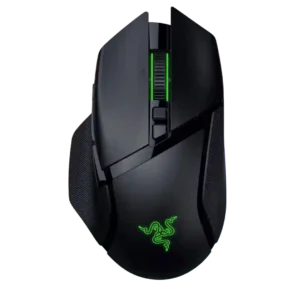
Shape comfort was mostly positive for ergonomic use, though some reviewers found it too thin or grip-specific.
Pros: lift-off distance, motion consistency
Cons: cross-platform compatibility, handedness options
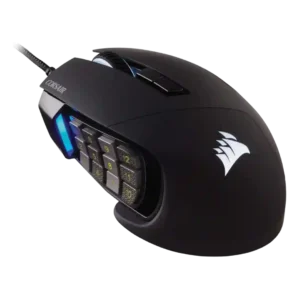
Shape comfort was mostly positive for medium-to-large right hands, but some reviewers found the width or hand fit odd.
Pros: button responsiveness, long-session comfort
Cons: handedness options, switch durability
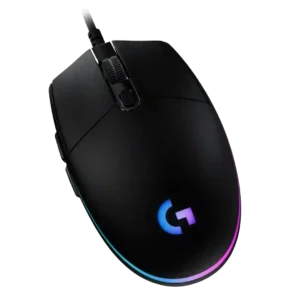
Shape comfort is broadly positive for small-to-medium hands and claw/fingertip use, but flatter geometry and larger-hand fit create mixed reactions.
Pros: acceleration control, dock compatibility
Cons: portability, onboard memory
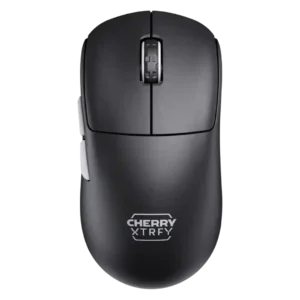
Shape comfort was the most polarizing area: several reviewers loved the low, controlled feel, while others found it cramped, wide, or odd.
Pros: 2.4GHz connectivity, long-session comfort
Cons: programmable buttons, button customization
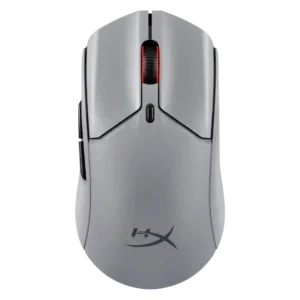
Shape comfort depended on hand size and preference: some reviewers found it beautiful or comfortable, while others warned it would not suit everyone.
Pros: motion consistency, wireless latency
Cons: palm grip comfort, software stability
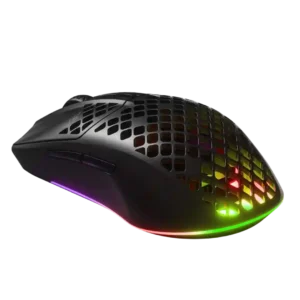
Shape comfort was highly divisive, praised by claw/small-hand users but painful or cramp-inducing for others.
Pros: Accuracy and tracking precision, surface compatibility
Cons: firmware reliability, palm grip comfort
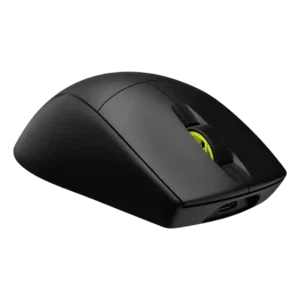
Shape comfort is mostly positive across hand sizes and grip styles, though a few reviewers find it cramped or unremarkable.
Pros: click latency, fingertip grip comfort
Cons: firmware reliability, skate durability