Best for weight
Razer DeathAdder V3
5.0 feature score
Highest scored product for this feature based on supporting review evidence.
Highest scored product for this feature based on supporting review evidence.
Balances feature score, supporting reviews, and overall product strength.
Has the broadest review evidence for this feature.
Strongest overall product among items with scored evidence for this feature.
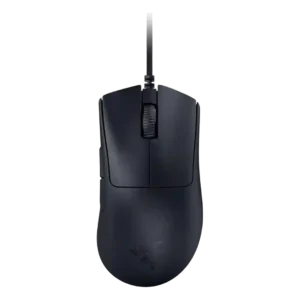
Weight was one of the clearest strengths, with reviewers repeatedly praising the sub-60g build as light, fast, and fatigue-reducing.
Pros: Accuracy and tracking precision, sensor performance
Cons: handedness options, tilt gesture controls
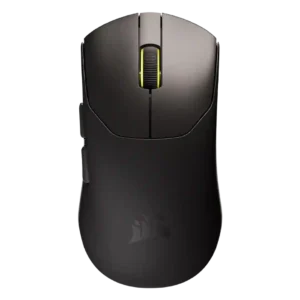
Weight was the clearest strength: reviewers repeatedly emphasized the 36g body as astonishingly light, effortless, wrist-friendly, and central to the mouse's appeal.
Pros: connection stability, weight
Cons: click latency, cable flexibility
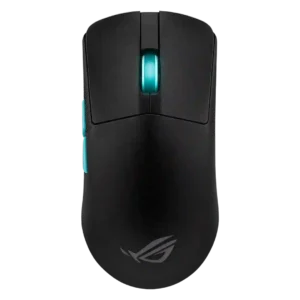
Weight was the most consistently praised physical attribute, with reviewers repeatedly emphasizing the 54g body as extremely light and easy to control.
Pros: button responsiveness, cable flexibility
Cons: firmware reliability, MMO gaming suitability
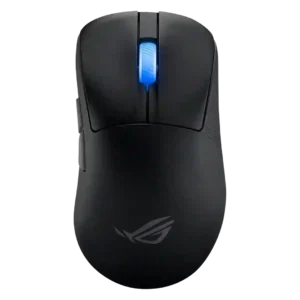
Weight was consistently praised as very light, impressive, and control-friendly.
Pros: connection stability, weight
Cons: handedness options, software usability
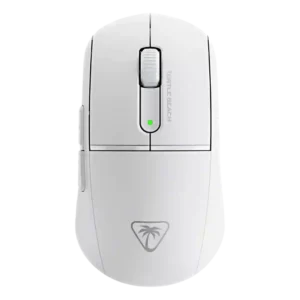
Weight was the strongest consensus strength, with reviewers repeatedly emphasizing the 47g body as exceptionally, even surprisingly, light.
Pros: weight, balance and weight distribution
Cons: water and dust resistance, RGB features
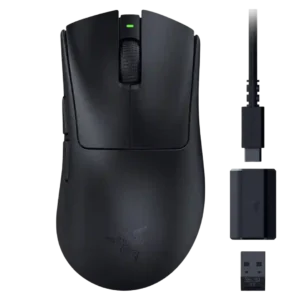
Weight was a standout strength, with reviewers repeatedly praising the 53-55g body as featherweight, effortless, nimble, and easy to flick.
Pros: click latency, motion consistency
Cons: handedness options, Bluetooth support
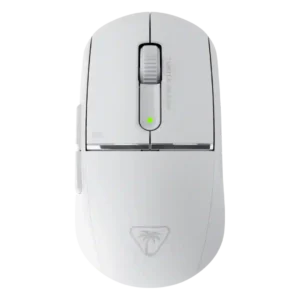
Low weight was one of the clearest strengths, repeatedly praised for speed, control, and easy movement.
Pros: wireless latency, surface compatibility
Cons: RGB features, firmware reliability
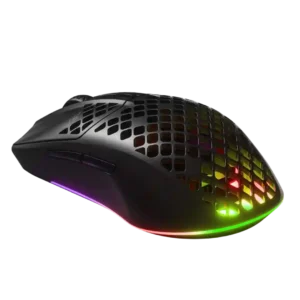
Weight was one of the clearest strengths, with reviewers repeatedly calling the mouse extremely light and easy to move.
Pros: Accuracy and tracking precision, surface compatibility
Cons: firmware reliability, palm grip comfort
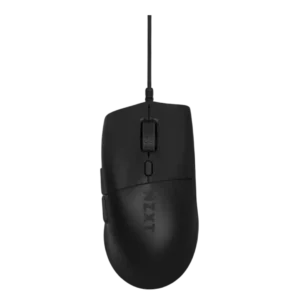
Weight was one of the strongest positives, repeatedly described as light, comfortable, travel-friendly, and within modern expectations.
Pros: FPS gaming suitability, weight
Cons: fingertip grip comfort, handedness options
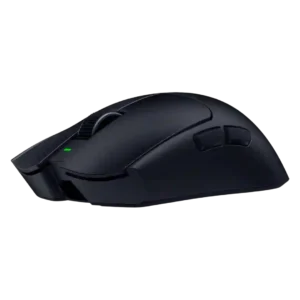
The 49–50g weight was one of the strongest positives, making the mouse feel fast, effortless, and competitive.
Pros: balance and weight distribution, build quality
Cons: dock compatibility, Bluetooth support
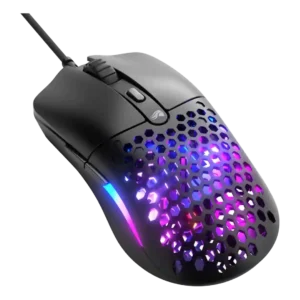
Weight was universally praised, with reviewers repeatedly emphasizing the 55g body as unusually light, nippy, and central to the mouse's appeal.
Pros: value for money, click latency
Cons: water and dust resistance, cable flexibility
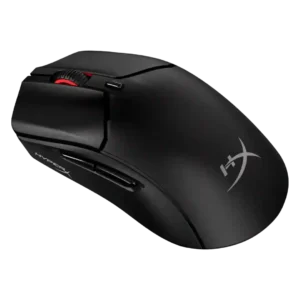
Weight was one of the strongest points across reviews, repeatedly described as feather-light, easy to move, and central to the mouse’s appeal.
Pros: long-session comfort, balance and weight distribution
Cons: software stability, firmware reliability
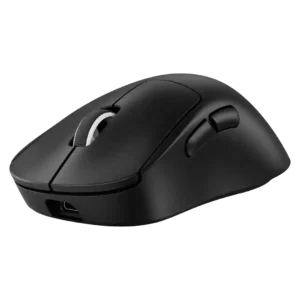
Weight was one of the clearest strengths, repeatedly described as feather-light, ultra-light, or impressively low for its size.
Pros: motion consistency, acceleration control
Cons: cable flexibility, cross-platform compatibility
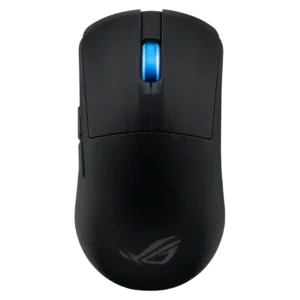
Weight was one of the clearest strengths, repeatedly praised as extremely light, flingable, and competitive.
Pros: cable flexibility, weight
Cons: software stability, handedness options
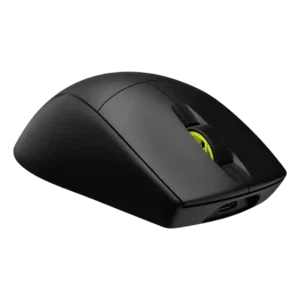
Weight is one of the strongest attributes, with broad praise for the 60g feel and only isolated criticism that it is not the very lightest.
Pros: click latency, fingertip grip comfort
Cons: firmware reliability, skate durability
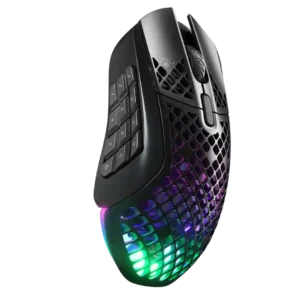
Weight was the clearest strength, repeatedly praised as unusually light for a wireless MMO/MOBA mouse with so many buttons.
Pros: motion consistency, surface compatibility
Cons: onboard memory, handedness options
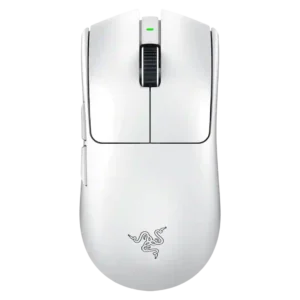
Weight was one of the clearest strengths: reviewers repeatedly called the 54g body featherlight, fatigue-reducing, and easy to move.
Pros: click latency, balance and weight distribution
Cons: 2.4GHz connectivity, software stability
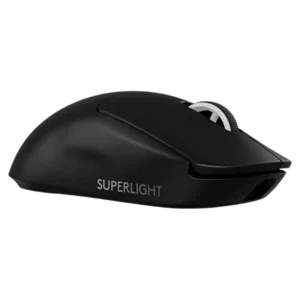
Reviewers strongly praised the low weight, calling it excellent, effortless, and well balanced for the mouse size.
Pros: macro support, fingertip grip comfort
Cons: weight tuning, cable flexibility
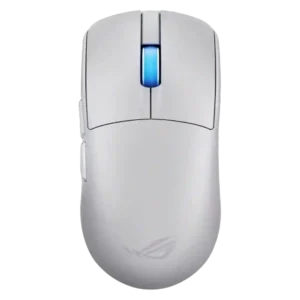
The ultralight weight was one of the strongest points across reviews, repeatedly described as excellent, headline-worthy, and easy to move.
Pros: acceleration control, wireless latency
Cons: onboard memory, MMO gaming suitability
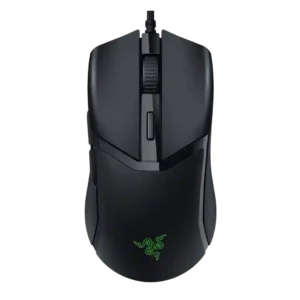
Weight was consistently praised as light, comfortable, and well suited to fast movement without feeling cheap.
Pros: Accuracy and tracking precision, motion consistency
Cons: click noise, onboard memory
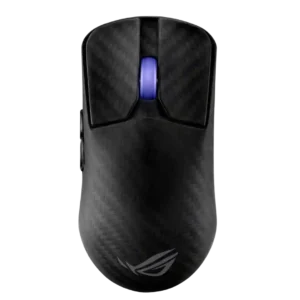
Weight was a major strength, with reviewers praising the roughly 47g body as extremely light for its size and construction.
Pros: Accuracy and tracking precision, sensor performance
Cons: software stability, value for money
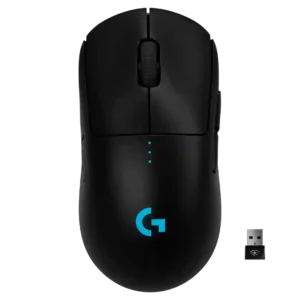
Weight was a major strength; most reviewers praised the 80g class as exceptionally light, though ultralight trends made it less dominant later.
Pros: polling rate, motion consistency
Cons: MOBA gaming suitability, durability over time
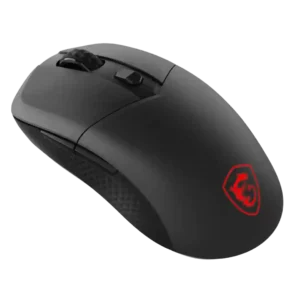
At 66g, the mouse feels light and quick without sacrificing structural solidity. It is not class-leadingly ultralight, but most reviewers considered the weight ideal for fast movement.
Pros: Accuracy and tracking precision, click latency
Cons: software stability, profile switching
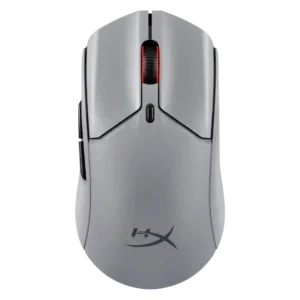
Weight was a clear strength across reviews, with the 61g body repeatedly called light, easy to whip around, and comfortable for fast movement.
Pros: motion consistency, wireless latency
Cons: palm grip comfort, software stability
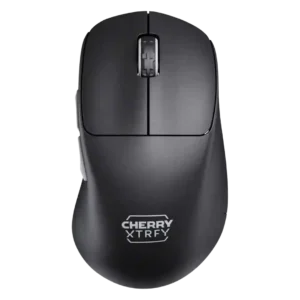
Weight was one of the clearest strengths, with reviewers repeatedly calling the mouse very light, impressively lightweight, or easy to maneuver.
Pros: 2.4GHz connectivity, long-session comfort
Cons: debounce customization, fingertip grip comfort
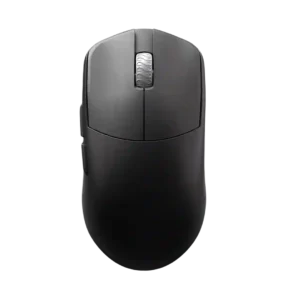
Weight is a defining strength, repeatedly praised around 47 g, though one reviewer warned micro movements may need adjustment.
Pros: DPI range, balance and weight distribution
Cons: charging convenience, click noise
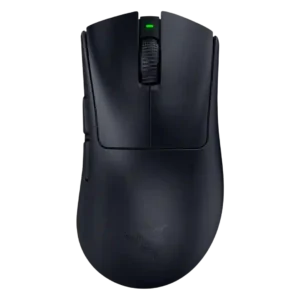
The low 56-57g weight was praised across reviews as light, nimble, and especially good for competitive play.
Pros: Accuracy and tracking precision, sensor performance
Cons: onboard memory, handedness options
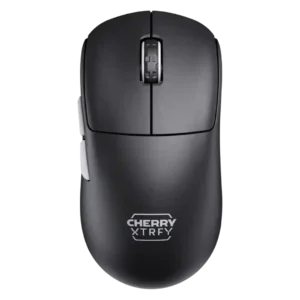
Reviewers strongly agreed the mouse is impressively light and easy to move, with the 55g class weight repeatedly praised.
Pros: 2.4GHz connectivity, long-session comfort
Cons: programmable buttons, button customization
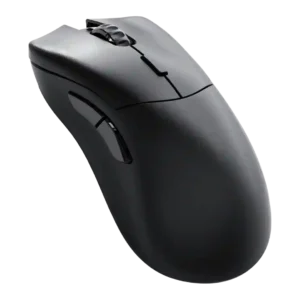
Weight was a major strength, with reviewers repeatedly praising the very light 60-62g body.
Pros: click latency, switch durability
Cons: Bluetooth support, handedness options
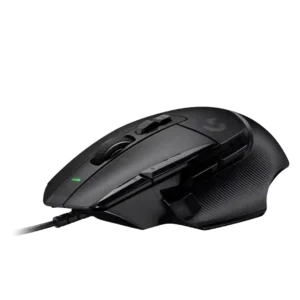
Weight was usually praised because 89 grams felt lighter, quicker, and more agile, though not as light as dedicated ultralight FPS mice.
Pros: Accuracy and tracking precision, click latency
Cons: claw grip comfort, portability
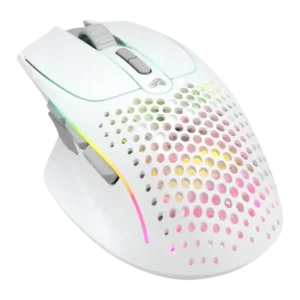
Reviewers strongly praised the low weight, often comparing it favorably with heavier ergonomic competitors.
Pros: skate durability, cross-platform compatibility
Cons: handedness options, click noise
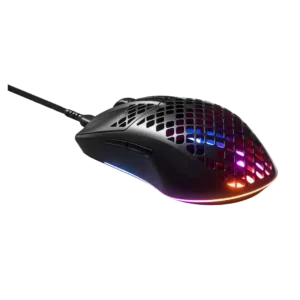
The mouse's low weight was repeatedly praised for agility, maneuverability, and quick movements.
Pros: click latency, acceleration control
Cons: palm grip comfort, onboard memory
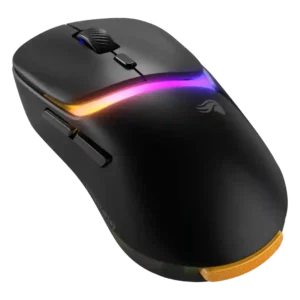
Weight was mostly praised as light or a sweet spot, though one reviewer felt it was not exceptionally light.
Pros: glide smoothness, sensor performance
Cons: grip texture, firmware reliability
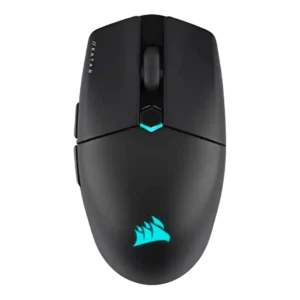
Weight was one of the clearest strengths, repeatedly praised as light, agile, and easy to move, though a few reviewers found it dense or too light for control.
Pros: software stability, click latency
Cons: MMO gaming suitability, palm grip comfort
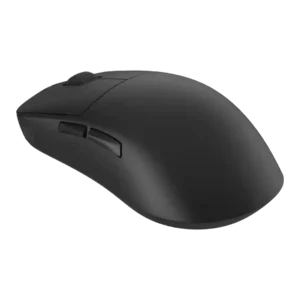
Weight is mostly praised as light or ultralight, but a few reviewers felt the small dense body or heavier-than-rivals mass reduced mobility.
Pros: durability over time, sensor performance
Cons: MMO gaming suitability, surface compatibility
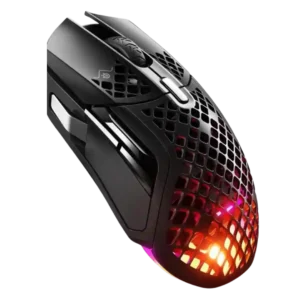
Weight was usually praised as light and agile, though a few reviewers felt it was only middling by modern ultralight standards.
Pros: motion consistency, connection stability
Cons: weight tuning, fingertip grip comfort
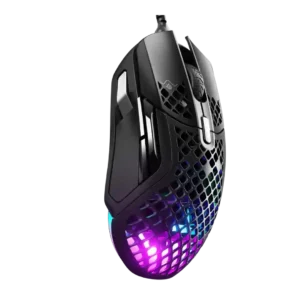
Weight was one of the strongest positives, with reviewers repeatedly describing the wired mouse as very light, easy to move, and comfortable.
Pros: glide smoothness, click latency
Cons: handedness options, DPI range
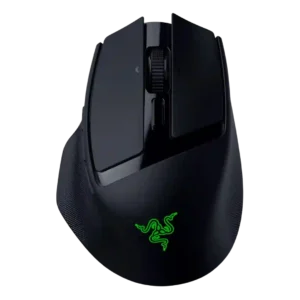
Weight impressions were mostly positive for travel and control, although one reviewer found it heavier than a very light competitor.
Pros: ecosystem integration, sensor performance
Cons: AI Prompt Master, durability over time
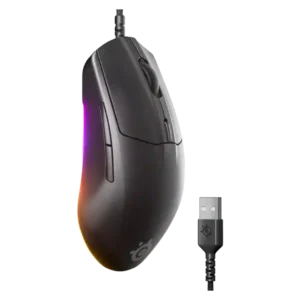
Weight was generally praised for quick movements and reduced fatigue, though reviewers noted it is not ultralight compared with some rivals.
Pros: connection stability, left and right click quality
Cons: palm grip comfort, profile switching
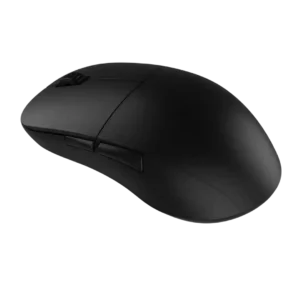
Weight was widely praised as light or featherweight, though reviewers comparing it to 50g-class rivals sometimes considered it only moderately light.
Pros: drag click support, claw grip comfort
Cons: handedness options, Bluetooth support
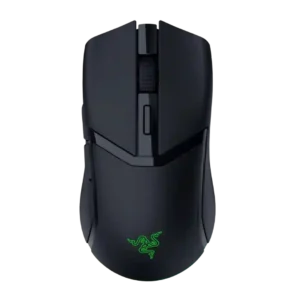
Most reviewers liked the lighter 62 g weight, though a few still wanted it lighter for a small performance mouse.
Pros: 2.4GHz connectivity, surface compatibility
Cons: click noise, software stability
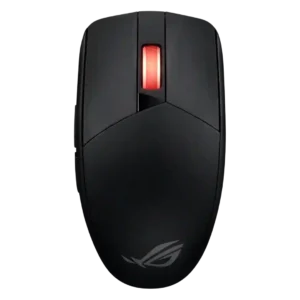
Weight is mostly praised as light or featherweight, though multiple reviewers caution that the advertised 57g excludes the battery and is somewhat misleading.
Pros: motion consistency, Accuracy and tracking precision
Cons: cable flexibility, palm grip comfort
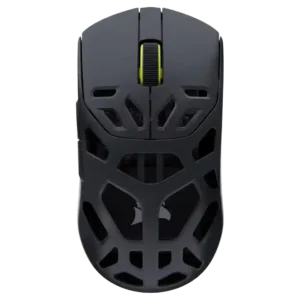
Weight was usually positive at about 55-56g, but reviewers noted it is not the absolute lightest compared with the plastic Ultralight.
Pros: Accuracy and tracking precision, click latency
Cons: cable flexibility, ecosystem integration
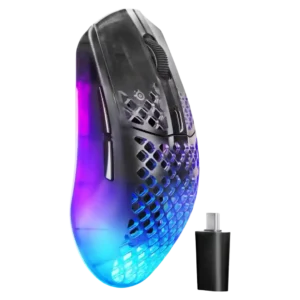
Most reviewers liked the light 68g-class weight, but a few considered it heavier or less competitive by current ultralight standards.
Pros: click latency, motion consistency
Cons: palm grip comfort, fingertip grip comfort
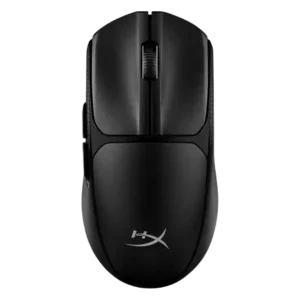
Weight was consistently favorable, described as light, agile, or well-balanced even when not considered truly ultralight.
Pros: wireless latency, Accuracy and tracking precision
Cons: side button quality, materials quality
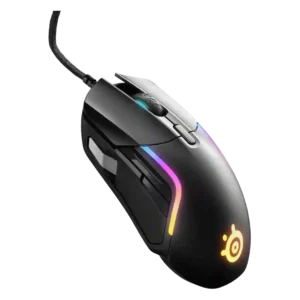
Most reviewers liked the 85g weight as light or balanced for the feature set, while a few wished it were lighter or disagreed with the marketing emphasis.
Pros: switch durability, surface compatibility
Cons: weight tuning, portability
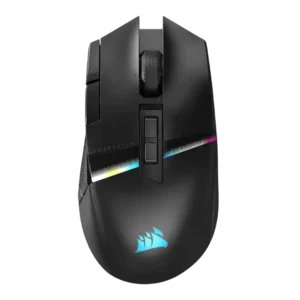
The Darkstar is heavier than esports-first mice but generally praised for being lighter than rival MMO mice and agile enough for quick movement.
Pros: long-session comfort, sensor performance
Cons: handedness options, software stability
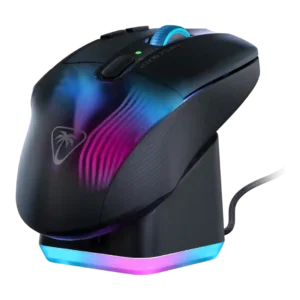
Weight opinions were context-dependent: many reviewers found around 99g reasonable or light for the feature set, while others considered it heavy for FPS play.
Pros: click latency, motion consistency
Cons: firmware reliability, weight tuning
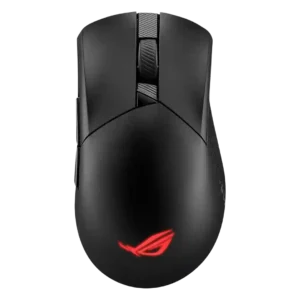
Weight split reviewers: many liked the 79g/89g feel, while others thought it was not ultralight or dated against newer esports mice.
Pros: motion consistency, surface compatibility
Cons: handedness options, software stability
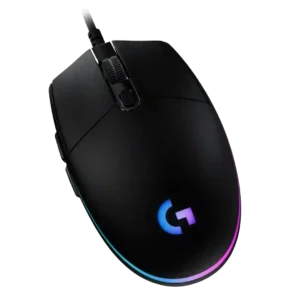
Weight opinions depend on preference: many reviewers liked the light or fair weight, while others found it slightly heavy for its size or not ultralight.
Pros: acceleration control, dock compatibility
Cons: portability, onboard memory