Best for handedness options
Logitech G Pro 2 Lightspeed
4.8 feature score
Highest scored product for this feature based on supporting review evidence.
Highest scored product for this feature based on supporting review evidence.
Balances feature score, supporting reviews, and overall product strength.
Has the broadest review evidence for this feature.
Strongest overall product among items with scored evidence for this feature.
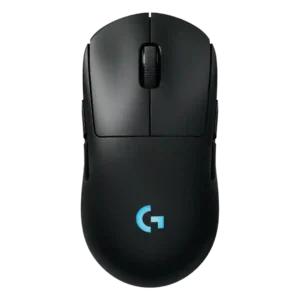
Handedness is one of the strongest areas, with repeated praise for true ambidextrous use and swappable side-button layouts.
Pros: handedness options, DPI range
Cons: Bluetooth support, MMO gaming suitability
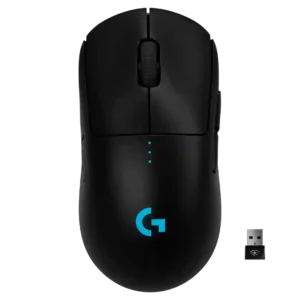
Handedness support is excellent because the true ambidextrous body and swappable side buttons support both left- and right-handed use.
Pros: motion consistency, sensor performance
Cons: Bluetooth support, MMO gaming suitability
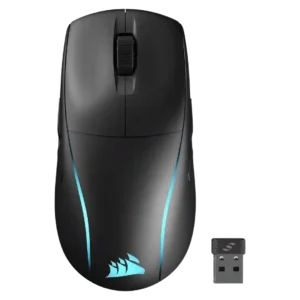
Handedness support is the standout consensus strength, with many reviews highlighting true ambidextrous use and left-handed side buttons.
Pros: motion consistency, connection stability
Cons: tilt gesture controls, water and dust resistance
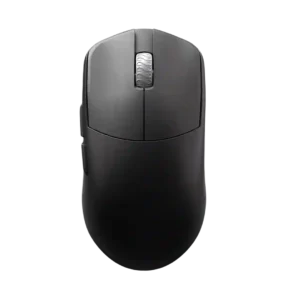
Handedness evidence points to a symmetrical or ambidextrous-style shape, though the mouse is not shown as offering left-handed side-button options.
Pros: Accuracy and tracking precision, sensor performance
Cons: cable flexibility
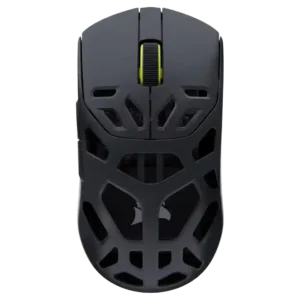
Handedness support is based on the safe symmetrical/ambidextrous shape, though the evidence does not establish true left-handed button symmetry.
Pros: Accuracy and tracking precision, build quality
Cons: RGB features, debounce customization
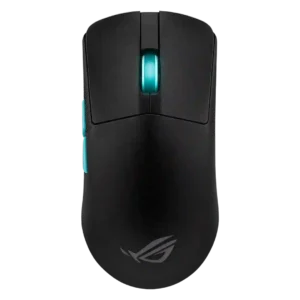
Handedness is broadly supported by the symmetrical/ambidextrous shape, but side-button placement makes it less equally convenient for left-handed use.
Pros: weight, DPI range
Cons: MMO gaming suitability, software stability
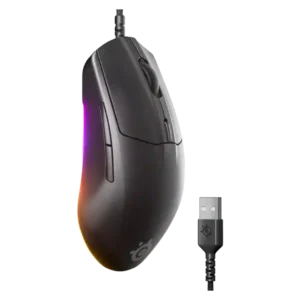
The mouse uses a symmetrical, ambidextrous-style shell, but side-button placement means its practical handedness support is not fully neutral.
Pros: connection stability, value for money
Cons: Bluetooth support, 2.4GHz connectivity
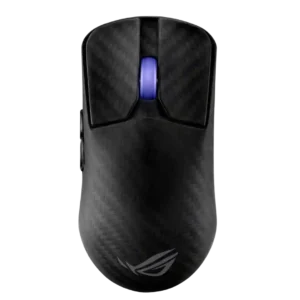
Handedness is limited: the shell is symmetrical and some evidence says ambidextrous comfort, but side buttons favor right-handed users.
Pros: weight, polling rate
Cons: value for money, software stability
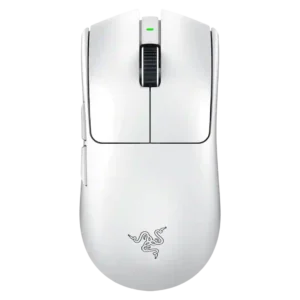
Handedness is mixed: the body is symmetrical or semi-ambidextrous, but left-side thumb buttons and right-handed targeting limit true left-handed parity.
Pros: DPI range, weight
Cons: Bluetooth support, RGB features
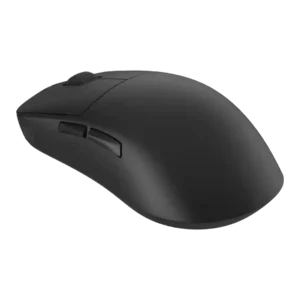
Handedness is only moderate: the shape is described as ambidextrous or symmetrical, but review evidence also points to right-handed side-button layouts.
Pros: weight, build quality
Cons: RGB features, macro support
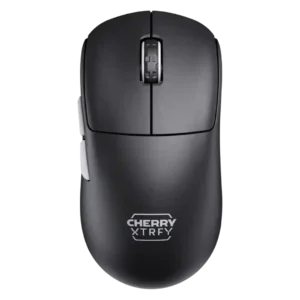
Handedness support is based on the symmetrical shape, but the reviews do not establish a true left-handed button layout.
Pros: Accuracy and tracking precision, wireless latency
Cons: tilt gesture controls, RGB features
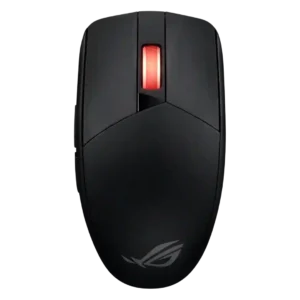
The body shape is symmetrical, but side buttons on the left make it functionally better for right-handed users.
Pros: click latency, sensor performance
Cons: palm grip comfort, skate durability
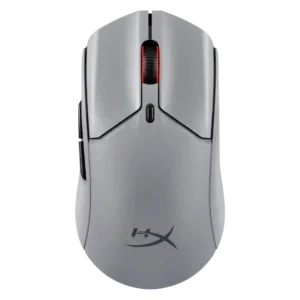
Handedness support is limited: reviewers describe a right-handed symmetrical shape, with side buttons favoring right-handed users.
Pros: wireless latency, connection stability
Cons: palm grip comfort, software stability
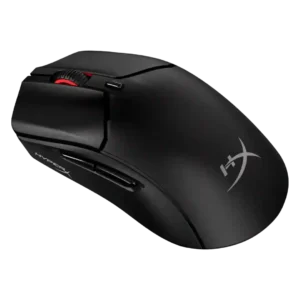
The symmetrical shell helps left-handers, but left-side thumb buttons and no true left-handed model limit real ambidextrous use.
Pros: DPI range, switch durability
Cons: software stability, onboard memory
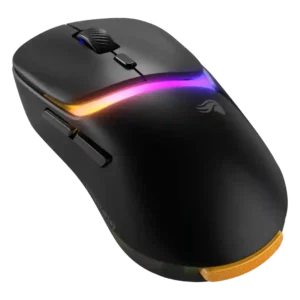
Handedness is a limitation for the D3 because it is positioned as the ergonomic right-handed model, with O3 serving ambidextrous users.
Pros: switch durability, DPI range
Cons: grip texture, portability
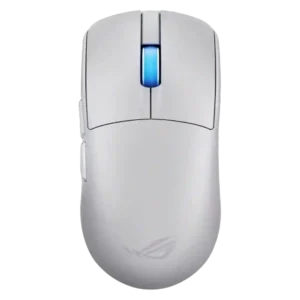
Handedness is mixed: some reviews call the shape ambidextrous or left-hander usable, while others note left-side buttons make it more right-handed.
Pros: polling rate, click latency
Cons: onboard memory, tilt gesture controls
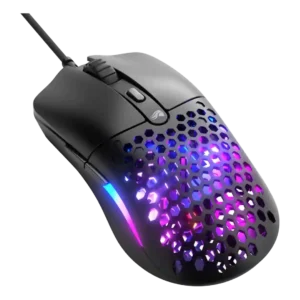
Handedness is mixed: the shape is symmetrical, but side-button placement means the mouse is primarily aimed at right-handers.
Pros: value for money, switch durability
Cons: wireless latency, Bluetooth support
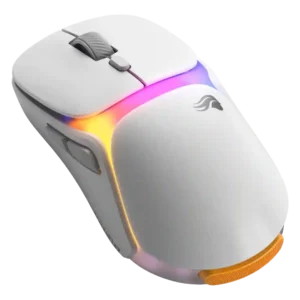
Handedness evidence is limited: PCGamesN says left-handed users can use it and swap main buttons, but side buttons remain a caveat.
Pros: switch durability, connection stability
Cons: MOBA gaming suitability, MMO gaming suitability
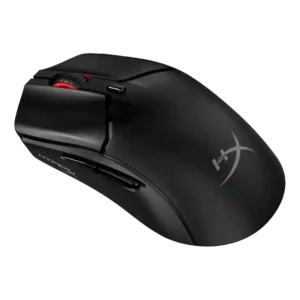
The mouse is effectively right-hand shaped; the evidence supports a right-hand curve rather than broad handedness options.
Pros: DPI range, cable flexibility
Cons: software stability, firmware reliability
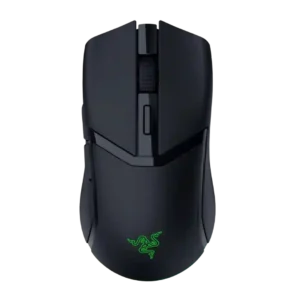
Handedness support is limited: one review calls the shape ambidextrous but notes that side buttons still favor right-handed users.
Pros: surface compatibility, switch durability
Cons: click noise, AI Prompt Master
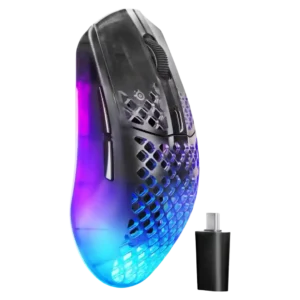
Handedness is only partially supported: the shell is symmetrical, but side buttons on one side and right-handed framing make it less compelling for left-handed users.
Pros: connection stability, wireless latency
Cons: MMO gaming suitability, fingertip grip comfort
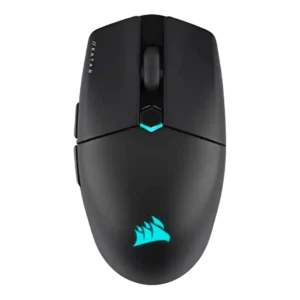
Handedness support is mixed: the body is often described as ambidextrous or nearly so, but side-button placement still favors right-handed use.
Pros: balance and weight distribution, software stability
Cons: MMO gaming suitability, durability over time
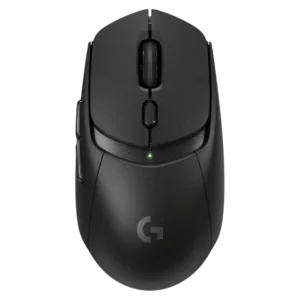
Handedness is mixed: the symmetrical shape helps, but side-button placement still favors right-handed use.
Pros: motion consistency, dock compatibility
Cons: tilt gesture controls, RGB features
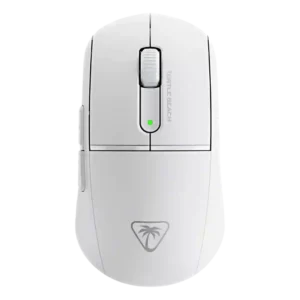
Handedness is mixed: the shell is symmetrical, but side-button placement and reviewer notes point to right-handed intent.
Pros: balance and weight distribution, weight
Cons: tilt gesture controls, RGB features
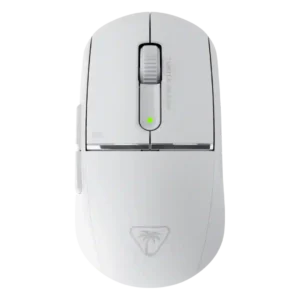
Handedness evidence was limited to a pseudo-symmetrical shell; reviews did not establish a true ambidextrous button layout.
Pros: polling rate, click latency
Cons: RGB features, handedness options
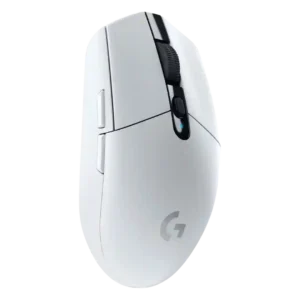
Handedness is mixed: the body is symmetrical or ambidextrous, but the left-side thumb buttons make full left-handed use limited.
Pros: wireless latency, motion consistency
Cons: Bluetooth support, charging convenience
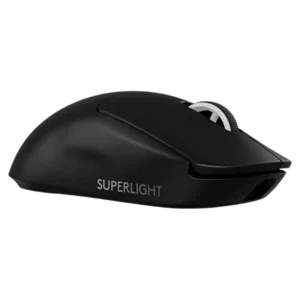
Handedness is limited: the shape is symmetrical or ambidextrous in form, but left-side thumb buttons make it effectively right-hand focused.
Pros: wireless performance, Accuracy and tracking precision
Cons: Bluetooth support, tilt gesture controls
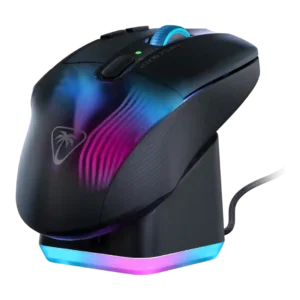
Handedness options are limited because reviews repeatedly frame it as a right-handed/right-hand-only design.
Pros: Accuracy and tracking precision, programmable buttons
Cons: weight tuning, firmware reliability
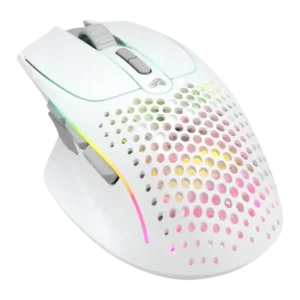
Handedness evidence is limited to right-handed use; reviewers note left-handed users need another option.
Pros: DPI range, cross-platform compatibility
Cons: tilt gesture controls, battery life
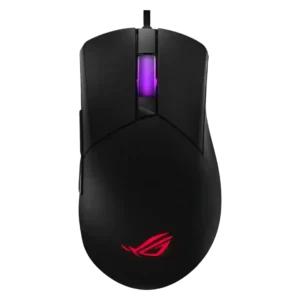
Handedness is a limitation because the evidence repeatedly frames the mouse as right-handed or non-ambidextrous.
Pros: MMO gaming suitability, software stability
Cons: handedness options
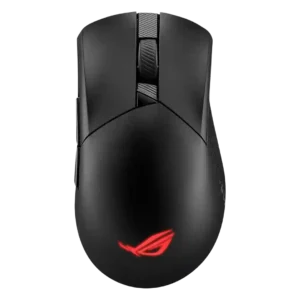
Handedness is a limitation: the mouse is repeatedly described as right-handed, with left-handed users told to look elsewhere.
Pros: click latency, connection stability
Cons: tilt gesture controls, software stability
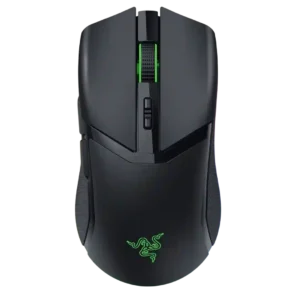
Handedness is limited despite the symmetrical body because side buttons are on the left; right-handers benefit most and left-handers face compromises.
Pros: surface compatibility, sensor performance
Cons: tilt gesture controls, MOBA gaming suitability
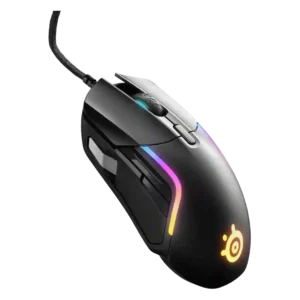
Handedness options are limited because the Rival 5 is repeatedly described as right-handed or intended for righties.
Pros: switch durability, surface compatibility
Cons: weight tuning, skate durability
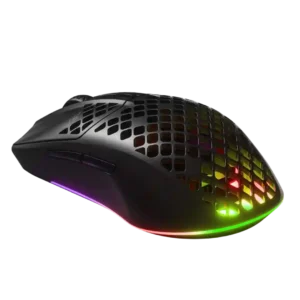
Handedness options are limited: reviewers describe an ambidextrous-style shell but note side buttons only on the left, making it poor for true left-handed use.
Pros: motion consistency, surface compatibility
Cons: firmware reliability, dock compatibility
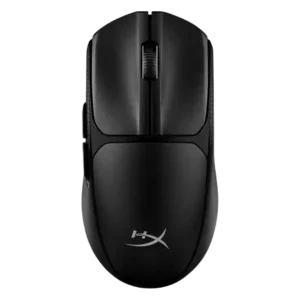
Handedness is one of the clearest split areas: the symmetrical shape helps, but left-side-only buttons make left-handed use weaker.
Pros: Accuracy and tracking precision, click latency
Cons: side button quality, claw grip comfort
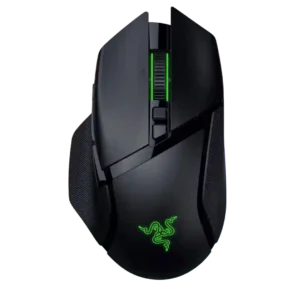
Handedness options are limited because the mouse is repeatedly described as right-handed or unsuitable for left-handed users.
Pros: programmable buttons, Bluetooth support
Cons: handedness options, firmware reliability
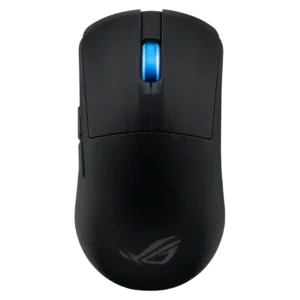
Handedness was a clear limitation: reviewers repeatedly noted side buttons on the left and right-hand-favoring design despite some symmetrical or ambidextrous shaping.
Pros: cable flexibility, weight
Cons: debounce customization, handedness options
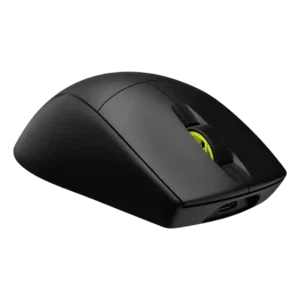
Handedness is a weakness for the M75 Air because the symmetrical shape still uses left-side buttons, making it primarily right-handed; one regular M75 review differs.
Pros: click latency, wireless latency
Cons: weight tuning, skate durability
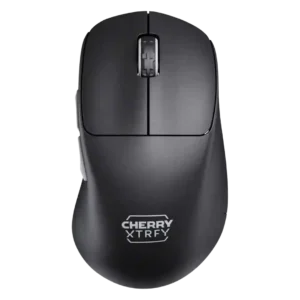
Handedness is limited because the M64 Pro is explicitly a right-handed ergonomic mouse, not an ambidextrous option.
Pros: weight, Accuracy and tracking precision
Cons: RGB features, button customization
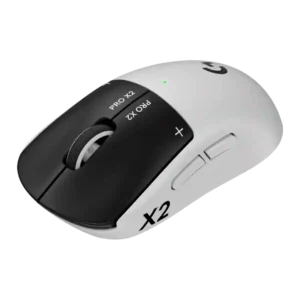
Handedness is a limitation because the symmetrical shell still uses left-side thumb buttons that disadvantage left-handed users.
Pros: DPI range, polling rate
Cons: Bluetooth support, RGB features
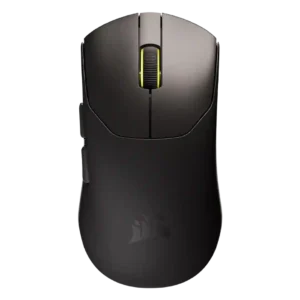
Handedness options appear limited: reviewers describe a symmetrical shell, but the side buttons are on the left.
Pros: weight, long-session comfort
Cons: debounce customization, Bluetooth support
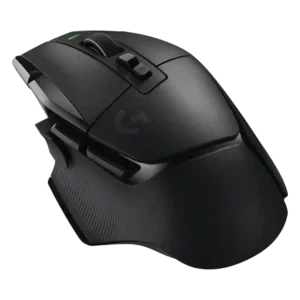
Handedness support is limited because the shape is described as made for right-handed users.
Pros: acceleration control, long-session comfort
Cons: Bluetooth support, weight tuning
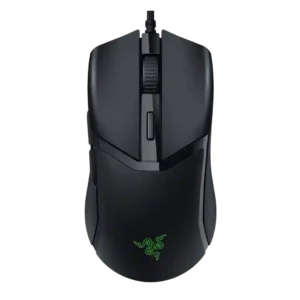
Handedness is limited: the shape is symmetrical, but the left-side buttons make it functionally right-hand oriented.
Pros: switch durability, click latency
Cons: wireless performance, wireless latency
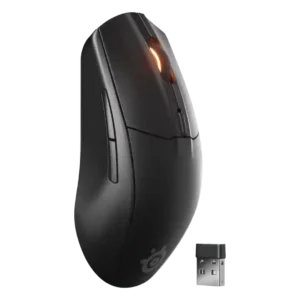
Handedness is a limitation: the shape is symmetrical, but side-button placement makes it right-handed in practice and there is no left-handed version.
Pros: battery life, weight tuning
Cons: RGB features, lift-off distance
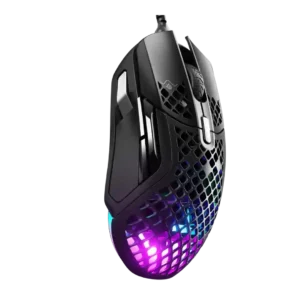
Handedness support is limited because reviewers identify the shape as right-handed and one explicitly calls it one for right-handers only.
Pros: glide smoothness, weight
Cons: handedness options, side button quality
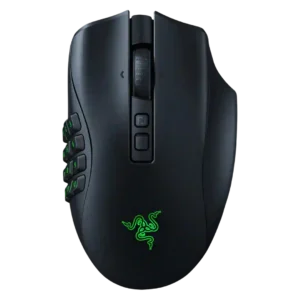
Handedness is a limitation because reviews repeatedly describe the mouse as right-handed only.
Pros: click latency, switch durability
Cons: handedness options, weight
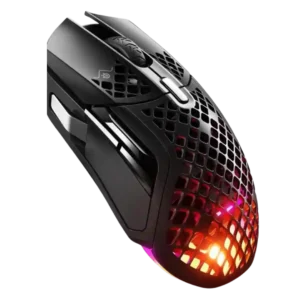
Handedness options are limited, as reviewers repeatedly identify the Aerox 5 as right-handed with no left-handed or ambidextrous option.
Pros: Accuracy and tracking precision, motion consistency
Cons: debounce customization, tilt gesture controls
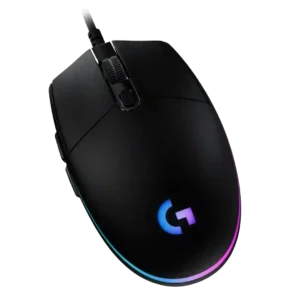
Handedness is a limitation: the shell is symmetrical or near-ambidextrous, but side buttons make it meaningfully right-hand oriented.
Pros: motion consistency, connection stability
Cons: weight tuning, 2.4GHz connectivity
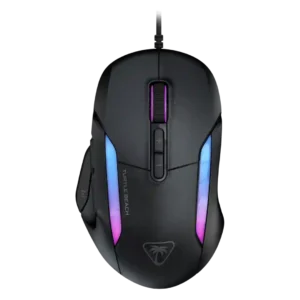
Handedness is a weakness because the body and controls are repeatedly described as right-handed and unsuitable for left-handed users.
Pros: switch durability, surface compatibility
Cons: handedness options, portability
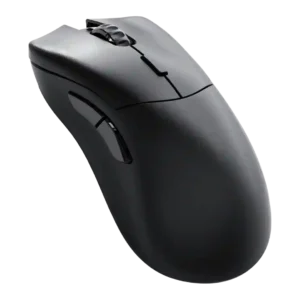
Handedness options are poor because the Model D 2 Pro is effectively right-handed, with reviewers pointing left-handed users toward other models.
Pros: click latency, sensor performance
Cons: Bluetooth support, RGB features